
Stroke
The latest scientific research and clinical treatment advances around stroke.
Top News
-
 Researchers at Switzerland’s EPFL have created a new neurotherapy that vastly and non-invasively improves vision for patients with hemianopia-related vision loss. Previously, patients suffering from the condition simply had to learn to live with it.
 -
 What does gut fermentation and neuroinflammation have in common? A lot, according to new research that uncovers how the post-stroke microbiome directly influences brain health and recovery. It opens the door to new ways of restoring cognitive function.
 -
 A new antibiotic to relieve stubborn urinary tract infections and a blood-clot dissolving treatment for acute ischemic stroke will be commercially available in the coming months. It's been nearly three decades since adjacent drugs have hit the market.
Latest News
-
 There's newfound hope for stroke patients in recovery, with what researchers believe is the very first drug that can comprehensively deliver rehabilitation without the need for challenging long-term physical therapy.
 -
 Injecting a natural hormone directly into the gut reduces the cognitive impairment that accompanies a stroke in the long term, according to a new study. The findings provide further evidence that a healthy gut means a healthy brain.
 -
 A laser-led device that shoots light into the brain to test blood flow and volume can offer instant feedback on a patient's stroke risk and and provide a portable, affordable and non-invasive way for clinicians to make life-saving interventions.
 -
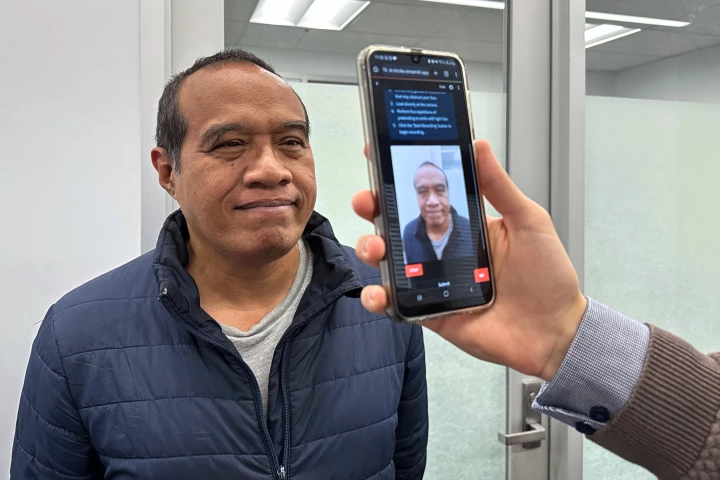 If someone has suffered a stroke, the sooner they get the appropriate medical attention, the better. A new smartphone tool may help ensure that happens, by allowing first responders to determine if a patient has indeed experienced a stroke.
 -
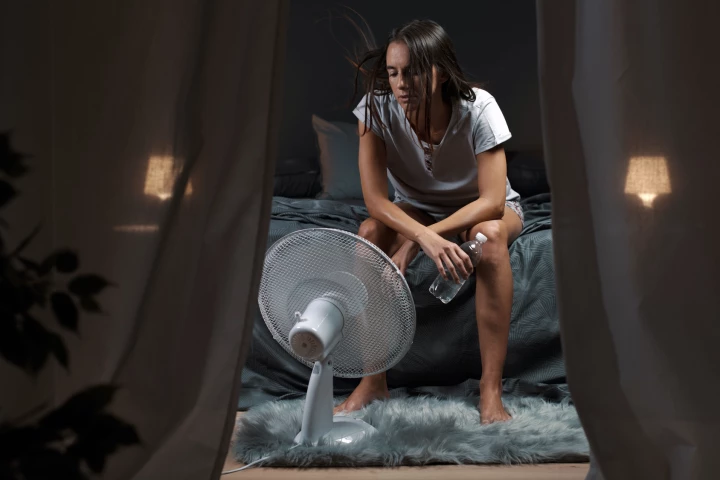 Extreme night-time temperatures significantly increase the risk of stroke, according to a new study. The researchers behind the study say that armed with these findings, people can better safeguard themselves against increasingly hot nights.
 -
 Researchers are developing a robotic exoskeleton platform that could overcome the limitations of treadmills used during the rehabilitation of the many stroke survivors who have problems walking.
 -
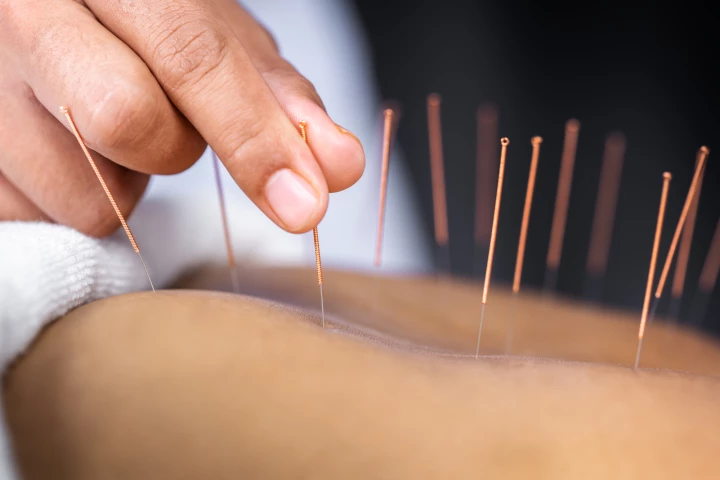 A study has found that a six-week acupuncture treatment significantly improved language function, quality of life, and neurological impairment in people with speech difficulties following a stroke, with improvements maintained for six months.
 -
 The first drug to prevent heart attack and stroke cell damage is now one step closer to reality, after the K’gari funnel-web spider venom molecule Hi1a got a green light from independent safety studies, and more is learnt about its unique efficacy.
 -
 New research shows that waiting too long in the day to have your first or last meal could have a negative impact on cardiovascular health. The study, which used data from 103,389 people, says that every hour counts when it comes to your mealtimes.
 -
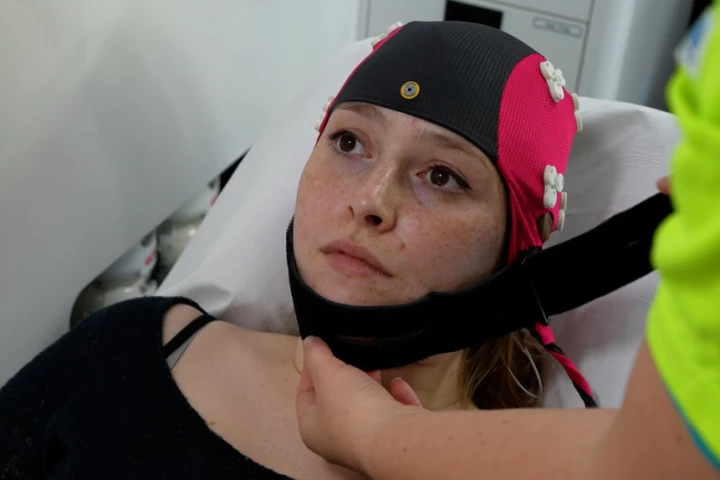 When a person has suffered a stroke, the severity of that stroke has to be determined as fast as possible. A new brain-wave-reading cap was created with that fact in mind, as it allows strokes to be assessed before the patient reaches the hospital.
 -
 While fans of Another Brick in the Wall (Part 1) may be horrified, researchers have recreated the song from brain activity. In the process, they discovered the way brains process rhythm and melody, which has huge implications for therapies.
 -
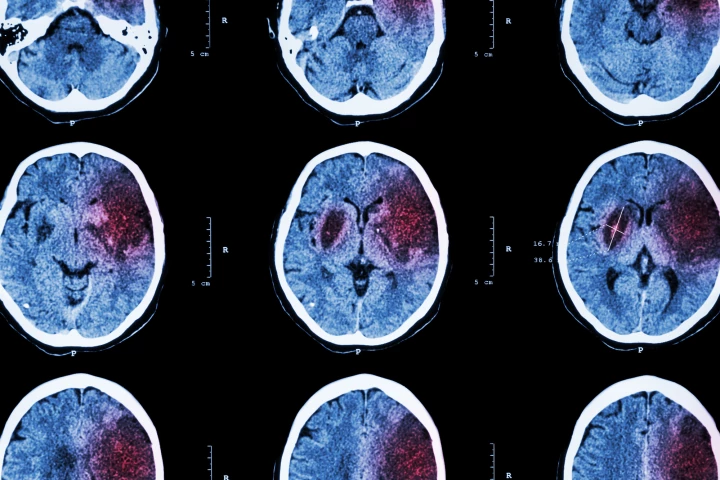 Researchers have identified a new molecular pathway that stimulates injured brain cells to repair themselves after an ischemic stroke. The discovery may help limit or reverse the damage caused by the condition and promote recovery.
 -
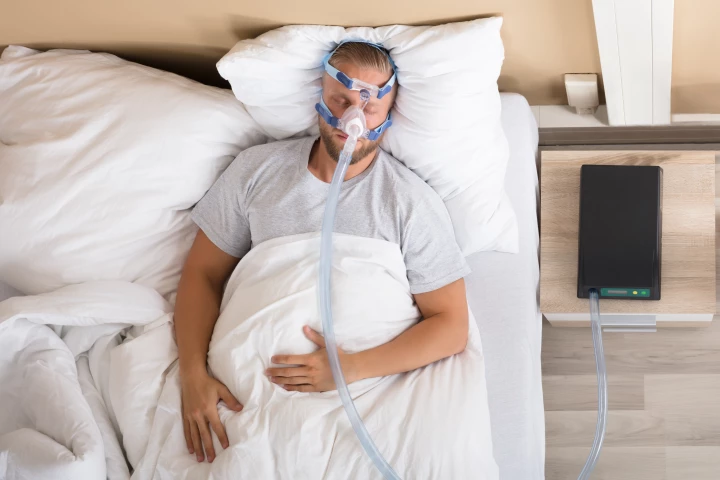 Sleep apnea affects around 30 million Americans, but it can be incredibly difficult to treat, even more so given that devices used to alleviate it are given up on by nearly half of those diagnosed. Scientists are now proposing a different approach.
 -
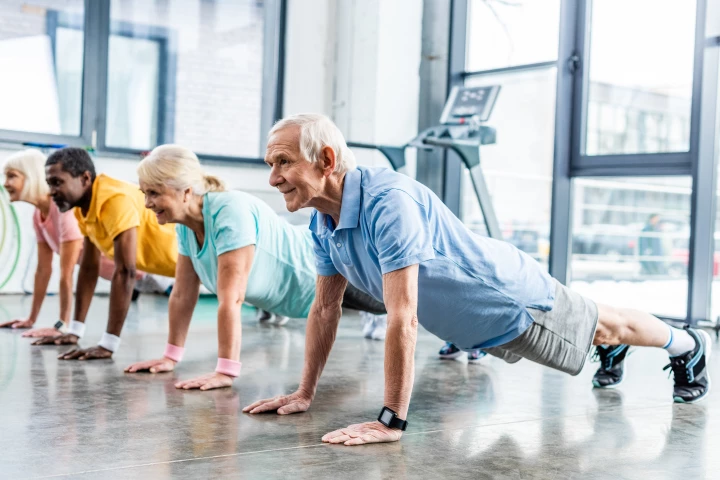 When you think exercise, holding your body still in a pose for a minute hardly springs to mind as a workout. But scientists have found that isometric moves such as wall sits and planks may be even better for your heart than both weights and cardio.
 -
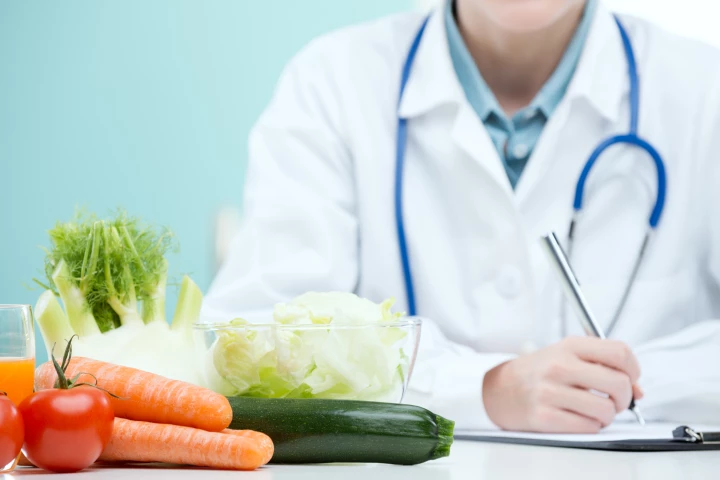 We know a diet rich in fruit and vegetables has broad health benefits. Now, a new study says that prescribing free fruit and veg to adults with type 2 diabetes could prevent 296,000 cardiovascular disease cases and save billions in health-care spending.
Load More