
Astronomy
From quasars to black holes, Refractor is going to the edges of the known universe to give you the latest on the final frontier.
Top News
-
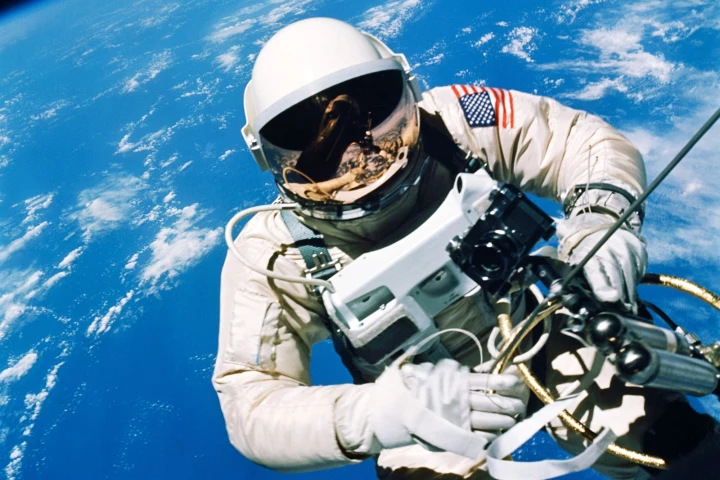 The Artemis II mission, which will return US astronauts to lunar space, has run into problems that have critics demanding NASA remove the crew from the flight for safety reasons. The bigger question is, why do we have astronauts at all?
 -
 If you're going to Mars you'd best take along a jar of anti-aging cream because while you're there you're going to age faster than on Earth thanks to the Theory of Relativity. It's only 477 millionths of a second per day, but that tends to add up.
 -
 Sierra Space and NASA have renegotiated their contract for the Dream Chaser spaceplane that will allow the spacecraft to make its first orbital flight next year as a free flier instead of visiting the International Space Station (ISS).
Load More
Latest News
-
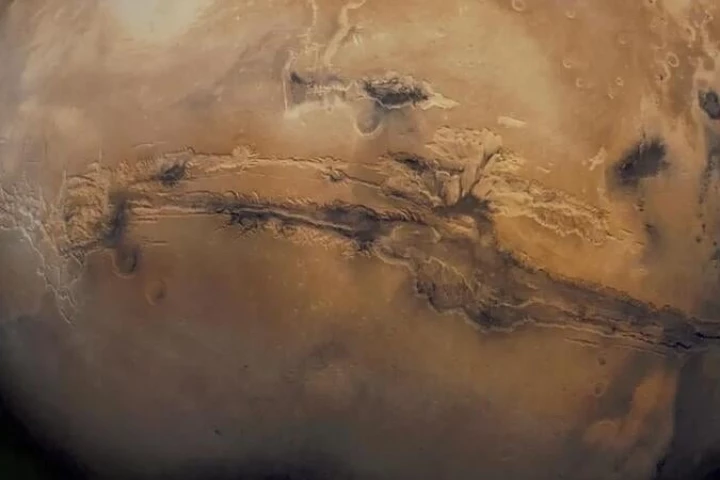 Why did the ice ages occur? If you need a scapegoat, a new study by Stephen Kane of UC Riverside suggests pointing the finger at Mars. According to computer models, the pull of the Red Planet may have altered the Earth's orbit until things got nippy.
 -
 According to NASA, Saturn's moon Titan may be the most fantastically large slushie of all time. Based on a reexamination of data from the Cassini probe collected in 2012, the moon's long-suspected global ocean may actually be a slurry of ice and rock.
 -
 One of the big challenges in building a space rover is ensuring it doesn't break down out there. Aerospace engineers have designed a flexible wheel for rovers that doesn't require an air-filled tube, can change its size, and can take a real beating.
 -
 Commercial spaceflight is booming and looks to go into full-on kaboom stage in the near future, sparking the need for an ever-increasing supply of solar panels. To fill this need, Dcubed is developing its ARAQYS system to manufacture arrays in orbit.
 -
 Russia has suffered a major setback after the launch of its Soyuz MS-28 mission ferrying astronauts to the International Space Station (ISS) caused severe damage to the country's only pad capable of handling crewed boosters.
 -
 Boeing has suffered another setback after NASA renegotiated its agreement with the company. Under the new contract, on its next flight o the International Space Station (ISS), Boeing's Starliner capsule will carry only cargo and no crew.
 -
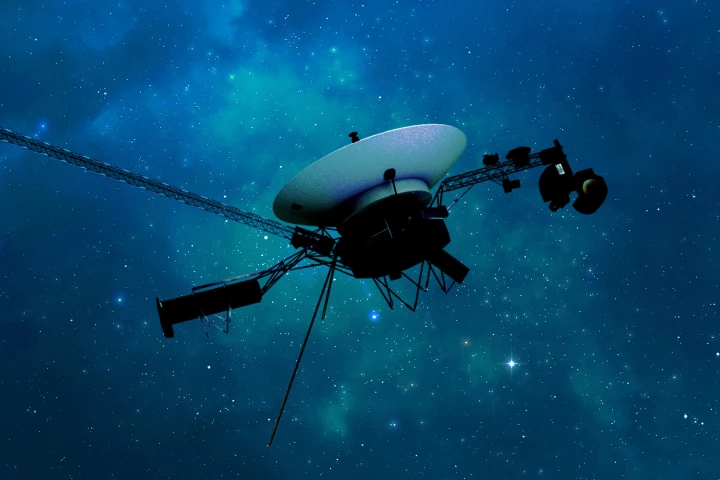 As it heads out of the solar system never to return, the deep space probe Voyager 1 is headed for yet another cosmic milestone. In late 2026, it will become the first spacecraft to travel so far that a radio signal from Earth takes 24 hours, or one light day, to reach it.
 -
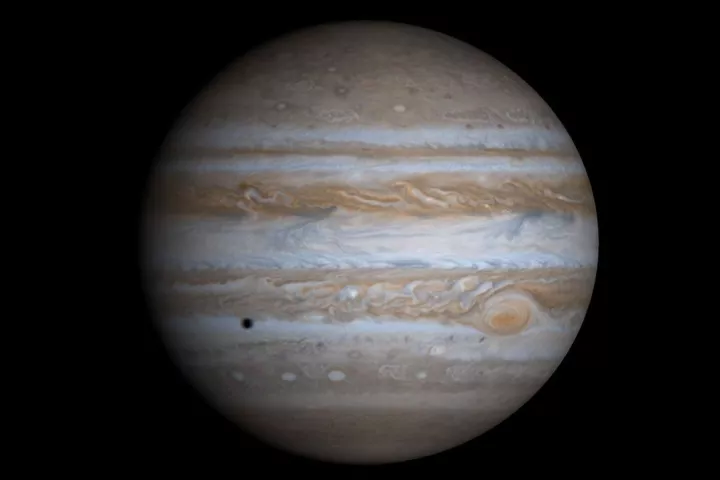 If you've ever wondered why we are here, then you can thank Jupiter for part of the answer. A new study from Rice University suggests that if it weren't for the gas giant, the Earth would have spiraled into the Sun during its formation.
 -
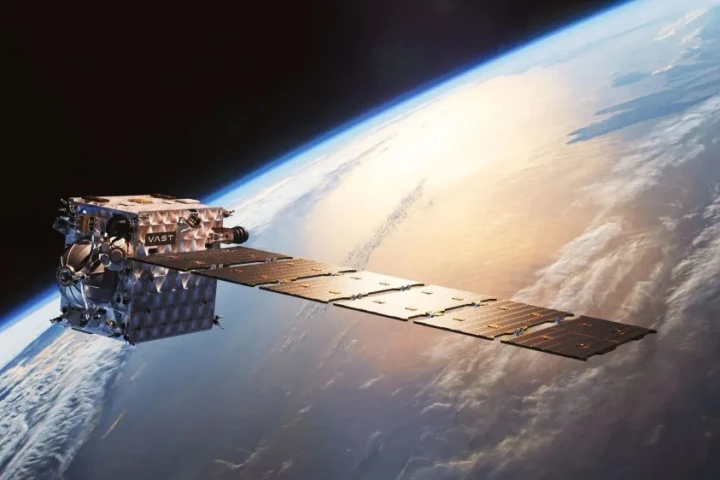 It may look like an ordinary satellite, but the recently launched Haven Demo is a major step toward the first commercial space station. Built by Vast, the 1,100-lb (500-kg) uncrewed spacecraft will test core systems of the planned Haven-1 outpost.
 -
 First Japan wants to make space sake and now China has been roasting New Orleans-style chicken wings and black pepper steaks in a specially made hot-air oven aboard its Tiangong space station, according to China's Global Times state news service.
 -
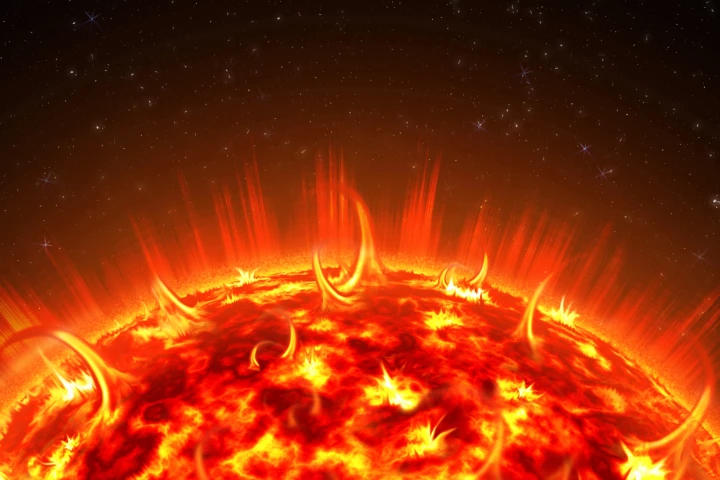 Did you know it rains on the Sun? Not water, of course. It's solar rain, which occurs in the Sun's corona, the outermost layer composed of intensely hot plasma. Astronomers have finally figured out the science behind this strange phenomenon.
 -
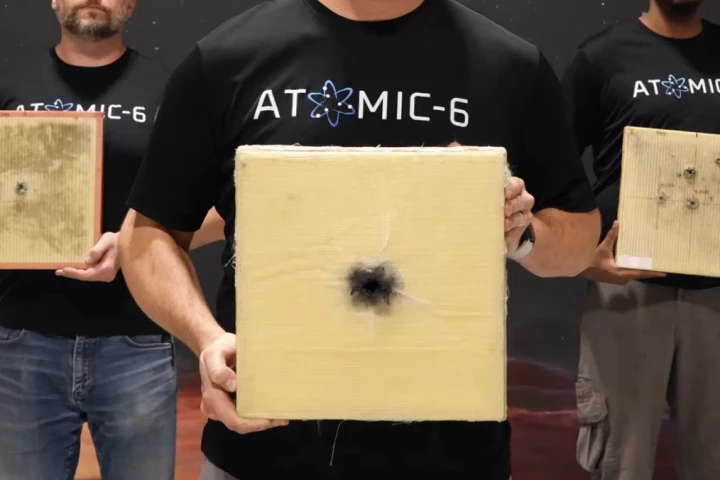 With satellites orbiting the Earth exploding into tens of thousands of pieces, the danger of collisions with space debris is a major problem, so Atomic-6 has developed new Space Armor tiles that are lighter and more effective than current systems.
 -
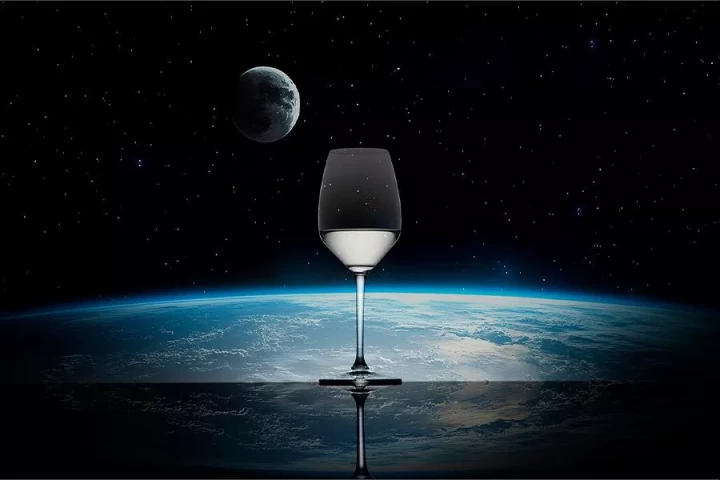 They're not serving sushi on the Moon – yet – but if or when they do, Mitsubishi Heavy Industries and DASSAI want sake on the table. To attain this quaffable goal, the companies are sending a rice fermentation experiment to the International Space Station (ISS).
 -
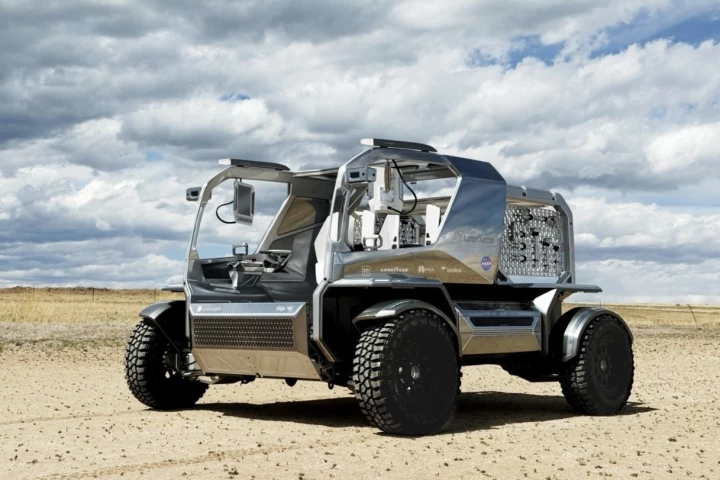 It’s hard to think of a more challenging environment for an automotive battery than the Moon, and preparations for NASA’s Artemis program give us a chance to contrast the pioneering technology of the 1970s with where we are 50 years later.
 -
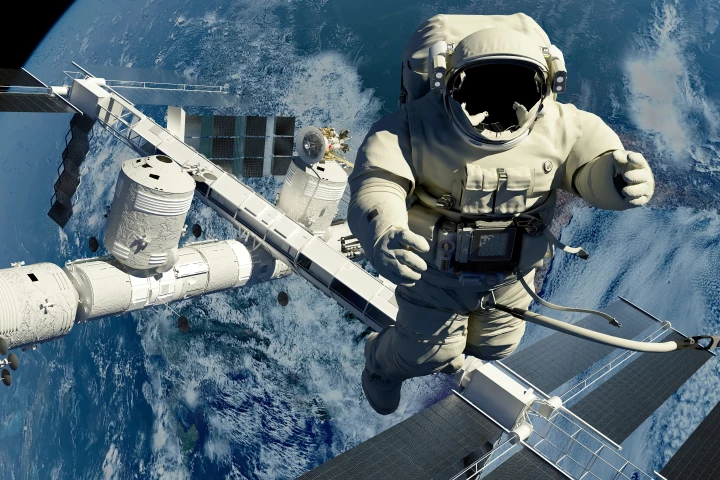 Previous research has shown that microgravity affects the immune system but what about the stem cells that build it? Until recently, no one had tested how spaceflight affects the aging and fitness of these crucial cells, and the news is not so great.
Load More