
Mental Health
The latest scientific research and clinical treatment advances around depression, anxiety and mental health.
Top News
-
 Chronic stress can rewire the brain, leading to a host of mental health issues. Now, scientists believe that one small sugar-adding process may act as a switch for depression, providing new insights into mood disorders – and a new target to treat them.
 -
 A new study shows that a personalized, precise form of brain stimulation, HD-tDCS, can rapidly ease depression symptoms – and even reduce anxiety – offering a promising drug-free alternative with only mild side effects.
 -
 A cannabinoid our bodies produce naturally has been found to play a role in the fear responses characteristic of conditions like anxiety and PTSD. The discovery opens the door to developing a treatment that targets this specific chemical.
Load More
Latest News
-
 Nitrous oxide, known as laughing gas, has shown rapid antidepressant effects in people with depression, with symptoms easing within hours of inhaling it. The treatment involves breathing in a mix of nitrous oxide and oxygen for up to an hour.
 -
 In a landmark shift in how mental health conditions are treated in the near future, the US Food and Drug Administration has approved the first at-home brain-stimulation device that can rapidly relieve moderate to severe depression symptoms.
 -
 There's a well-established link between depression and chronic low-grade inflammation. Now, a new meta-study shows that treating the inflammation can reduce depression in two ways, offering a potential alternative to antidepressants and their side effects.
 -
 In a breakthrough, scientists have discovered that a variant in one gene can cause mental illnesses – something previously believed to only be the result of several variants working together. What's more, these conditions often develop in childhood.
 -
 Survivors of childhood trauma experience high risk for depression. If they have high levels of SGK1 in their brain tissue, they’re at greater risk. Combined with genetic screening for the protein, SGK1 inhibitors could be a life-saving intervention.
 -
 New research challenges fears about stopping long-term prescription opioid use, uncovering no associated rise in suicide risk and a sharp drop in overdose death. The findings offer reassurance for clinicians and patients managing chronic pain.
 -
 A new review reveals finasteride users face higher risks of depression, anxiety, and suicidal thoughts. Concerns about the drug's underreported mental health side effects prompt calls for stricter regulation.
 -
 Researchers have identified specific regions of the human genome connected to cannabis use, which means the propensity to get addicted to weed may be encoded in our DNA.
 -
 Stress during pregnancy may rewire a baby’s brain for anxiety, a new study found. Adverse prenatal environments change how neurons in the hippocampus develop, leaving offspring more sensitive to threats in adulthood.
 -
 This year a clinical trial will test a drug combination designed to bring lasting relief for people with panic disorder – a condition that can upend daily life and be notoriously difficult to treat. No new medications have been approved since 2003.
 -
 A major new study has found that verbal abuse in childhood may be just as damaging to long-term mental well-being as physical abuse. This groundbreaking research highlights the need to treat verbal abuse as a serious public health issue.
 -
 For the first time, scientists have uncovered a distinct biological process triggered in those who suffer from high levels of Monday anxiety, resulting in chronic stress. And it can lead to serious health problems if it's left unmanaged.
 -
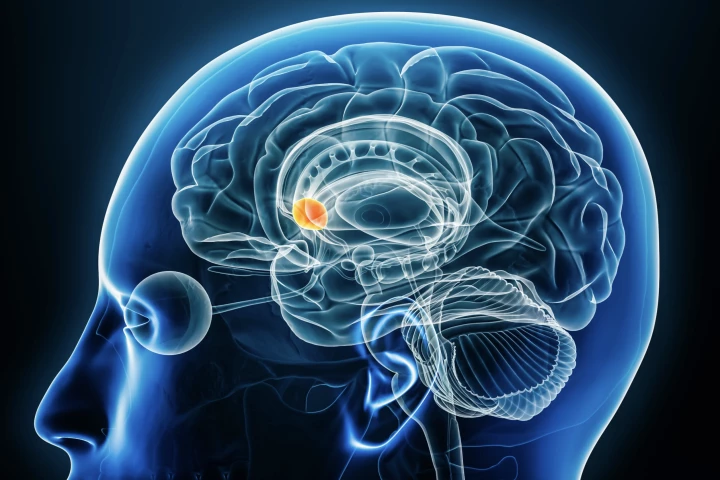 Dopamine doesn’t flood the brain as once believed – it fires in exact, ultra-fast bursts that target specific neurons. The discovery turns a century-old view of dopamine on its head and could transform how we treat everything from ADHD to Parkinson’s.
 -
 In a first-of-its-kind study, researchers zoomed in on PTSD at the single-cell level to better understand how it affects the brain. The findings revealed how trauma can lead to specific molecular changes in some brain cells.
 -
 A study found that psychopaths have structural changes in particular areas of the brain that deal with impulse control and emotional regulation. This improved understanding may help to formulate targeted treatment and rehabilitation strategies.
Load More