
Medical Devices
The latest advances in medical devices, from implants and brain interfaces to prosthetics and bionics.
Top News
-
 Does the feeling of standing up too fast and suddenly getting lightheaded sound familiar? Tracking your blood flow can explain why this is happening, and that’s what sets Lumia 2 apart from other similar energy-management devices.
 -
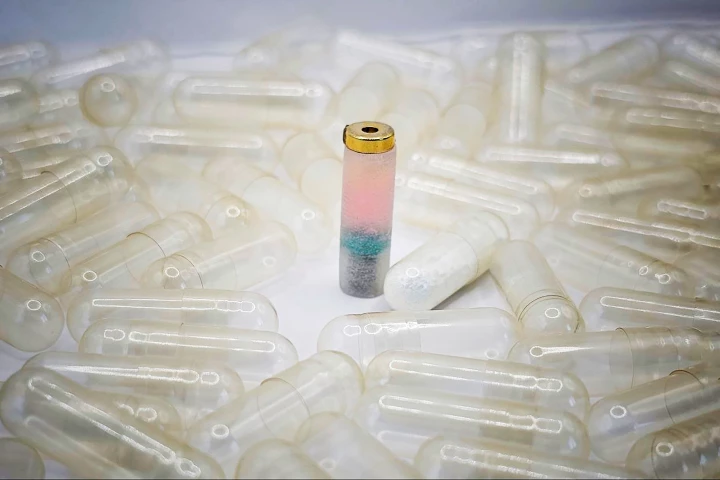 When an ulcer creates an actual perforation in the digestive tract, surgery is currently the only treatment. In the not-too-distant future, however, such holes may be easily plugged with the equivalent of a tiny remote-control swallowable pen.
 -
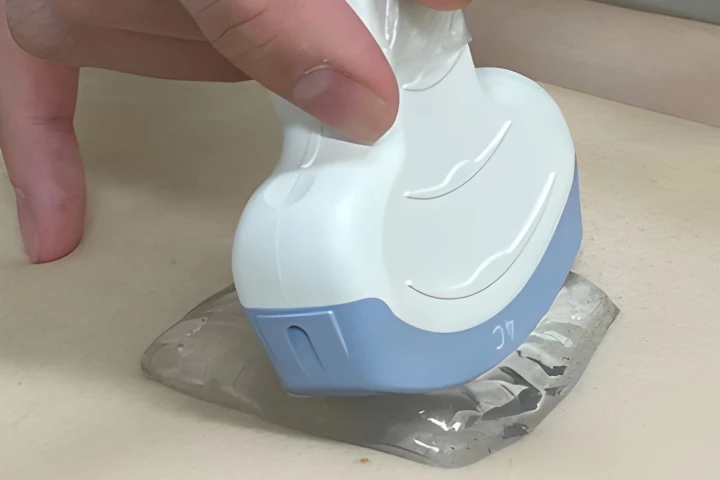 If you've ever had a sonogram you know that, even though the test isn't too hard to endure, the cold glob of gel that goes on your skin before you get "wanded" is pretty unpleasant. Japanese researchers have now come up with an alternative.
Load More
Latest News
-
 It turns out donated blood has a shelf life – and it can be very different for each donor. Recently, scientists have found a way to track how blood ages, helping hospitals manage their supply more effectively.
 -
 Don’t remember if you took your pills? Try MIT’s SAFARI (Smart Adherence via FARaday cage And Resorbable Ingestible). The capsule has its own bioresorbable radio that activates itself when swallowed, so you’ll never worry about missing a dosage.
 -
 A tool long used to probe neural circuits in the lab is now being floated as a new way to treat human patients. The technique uses light to turn specific neurons on or off, and it could be used to treat everything from chronic pain to epilepsy.
 -
 Columbia and Stanford researchers have debuted a new paper-thin brain-computer interface, the Biological Interface System to Cortex (BISC). The device offers hope to patients enduring seizures, strokes, spinal cord injuries, ALS, and blindness.
 -
 Scientists at Northwestern University have developed a sub-scalp device that beams light through bone into the brain, teasing a future of drug-free pain relief, cybernetic control of robotic limbs, and the simulation of sight, hearing, and touch.
 -
 US brain-computer-interface startup Paradromics is establishing itself as a major player in the neural-device space, with the Food and Drug Administration green-lighting a human trial to test its ability in restoring speech to people with paralysis.
 -
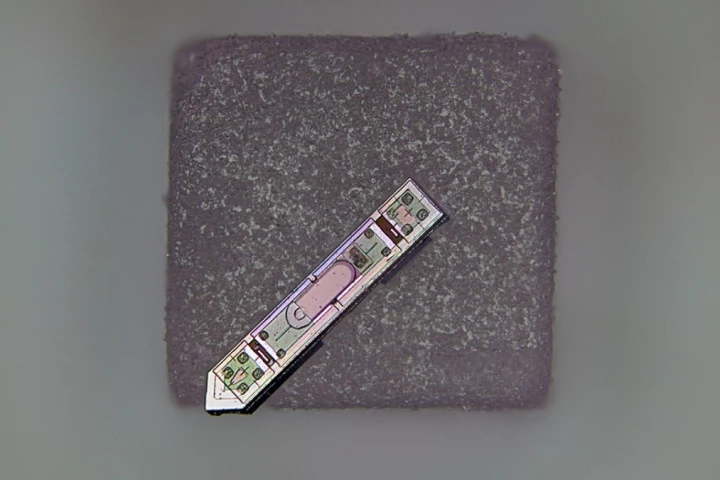 Smaller than a grain of salt and possibly the tiniest neurotech implant ever invented, the MOTE sends neuro-telemetry data via infra-red lasers, and could help neuroscientists unlock cures for neurological diseases.
 -
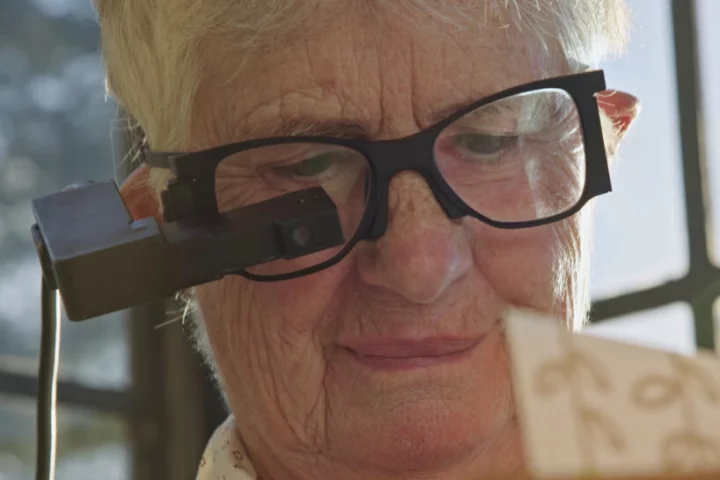 Stanford researchers and global collaborators have developed a wireless retinal implant called PRIMA that's helping people with untreatable eyesight loss see not just light, but actual shapes and patterns – what scientists call form vision.
 -
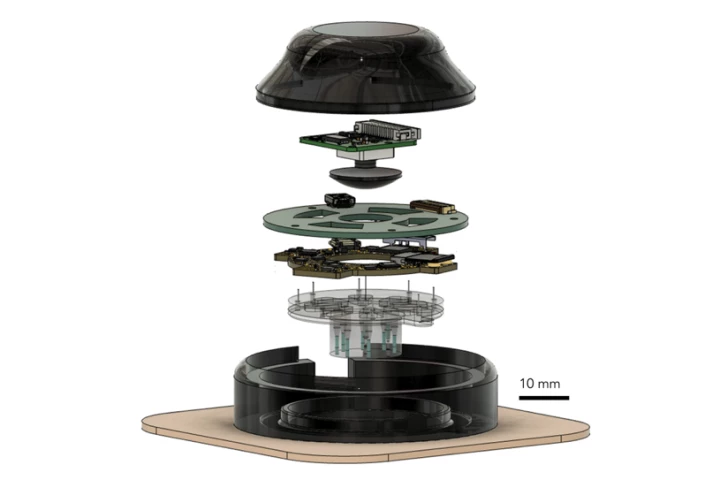 Dressings that simply cover wounds may soon seem archaic. An experimental new device reportedly speeds healing by 25%, and utilizes a computer-linked camera to determine when it should zap wounds with electricity or shoot medication into them.
 -
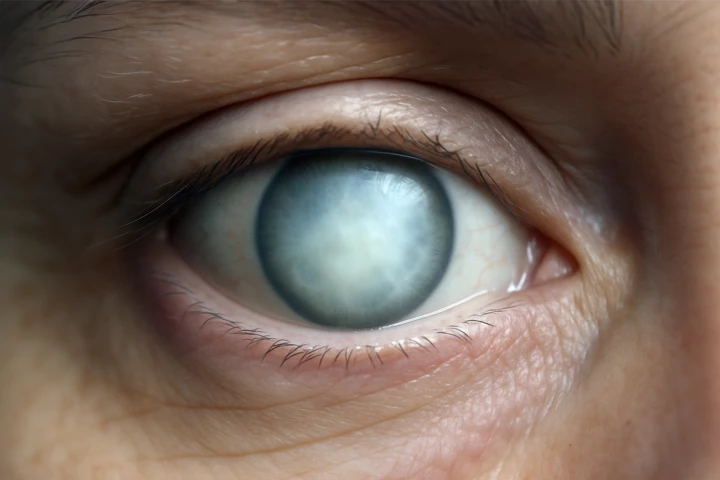 A tiny implant that beams images straight to the retina, bypassing a damaged cornea altogether, could give sight back to millions living with corneal blindness – no donor tissue required. Human trials may be underway in as little as two years.
 -
 If you were afflicted with a balance disorder, would you rather use a walker or simply wear a backpack? Dutch scientists have developed a special version of the latter, which utilizes two gyroscopes to keep its wearer standing straight and stable.
 -
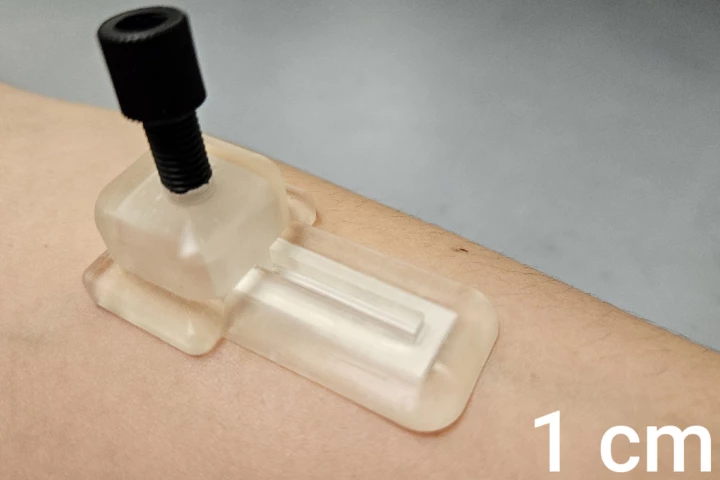 Nobody likes having blood samples taken, which is why it's always good to hear about possible alternatives. One of the latest takes the form of a self-powered skin patch that painlessly gathers biomarker chemicals for up to 24 hours at a time.
 -
 Imagine correcting your vision in under a minute – no lasers, blades or pain. Scientists have developed a non-invasive technique that reshapes the cornea using only a mild electric current and a temporary pH change. In early trials, it reversed myopia.
 -
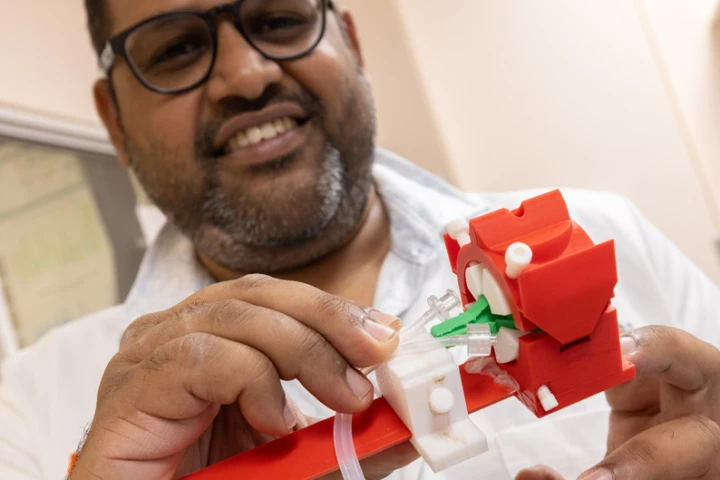 Despite what some movies may suggest, it's currently impossible to transplant functional, seeing human eyeballs. Scientists are taking a big step in that direction, however, with the development of an eye-transplant device known as the eye-ECMO.
 -
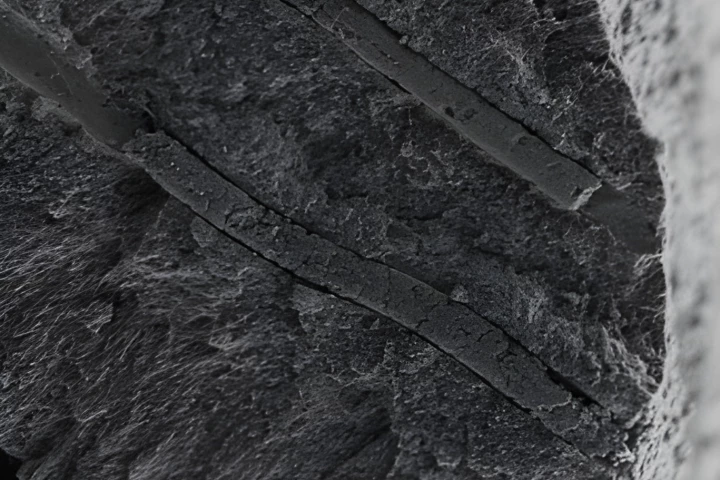 Having hypersensitive teeth can be quite the hassle, making it painful to consume hot, cold, sweet and/or acidic foods and beverages. Tiny new "robots" are here to help, by permanently plugging tunnels in the teeth for less discomfort.
Load More