
AI in Health
Artificial Intelligence and machine learning, in many forms, are becoming vital and transformative tools in the health and medicine spaces. Here's the latest advances in this fast-developing field.
Top News
-
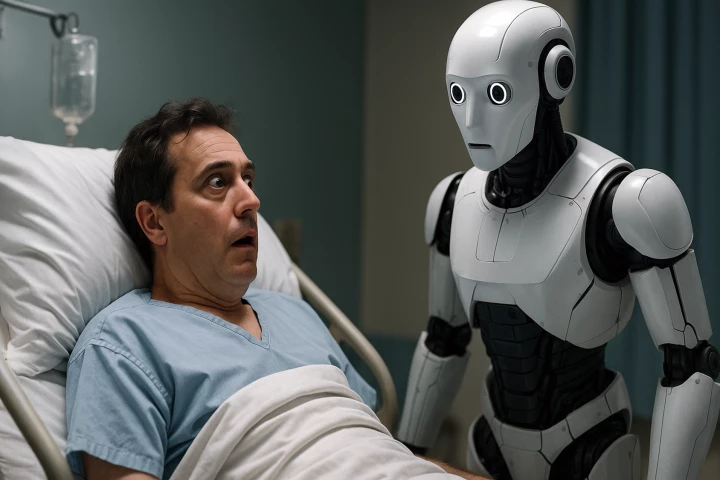 Patients worldwide are cautiously optimistic about the use of AI in healthcare. Most support it as a helpful assistant, but few trust it to replace doctors, according to a new study that reveals trust, concerns, and the need for explainable AI.
 -
 Love them or hate them, chatbots are here to stay. And while an increasing number of people have been turning to bots like Claude and ChatGPT for help, there's only anecdotal evidence as to their mental health usefulness. That is, until now.
Latest News
-
 A new AI model can predict the likelihood of premature death from inflammatory bowel disease, with 95% accuracy. This is good news – by looking beyond the gut for early treatment of other chronic illnesses can greatly reduce the early mortality rate.
 -
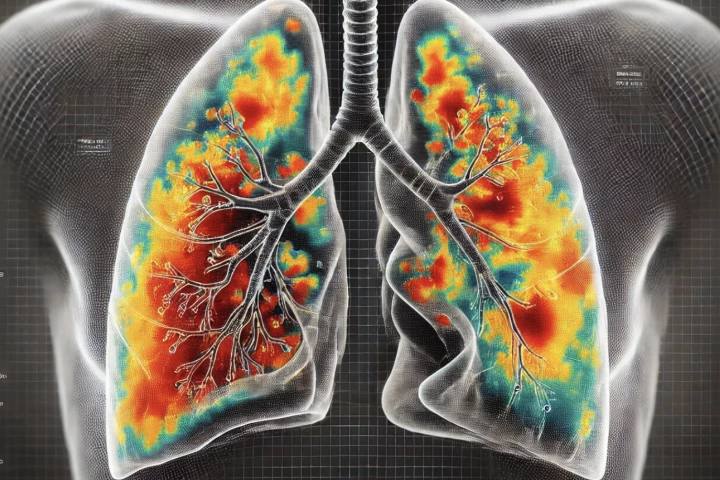 A breakthrough new AI model is able to detect the presence of different lung diseases from ultrasound videos, with 96.57% accuracy, and it is even able to distinguish whether the abnormalities are due to pneumonia, COVID-19 or other conditions.
 -
 Roughly the size of an iPhone, the Shanmu S1 sticks onto the inside of a toilet bowl and automatically scans urine to help detect diseases early, and provide prescription guidance for the entire family.
 -
 We naturally pick up microorganisms as we move about the world. Now, researchers have developed an AI tool that accurately links you to a particular location using a sample of the bugs you’ve collected on your travels – like a bacterial satellite navigation system.
 -
 It would be an understatement to say that things can get pretty hectic in a hospital emergency room … enough so that staff occasionally administer the wrong medication. Soon, however, AI-enabled wearable cameras could help keep that from happening.
 -
 In what will soon be commonplace in drug research, scientists have used an artificial-intelligence algorithmic program to identify a compound, currently used in antimalarial treatment, that can effectively reverse the bone deterioration of osteoporosis.
 -
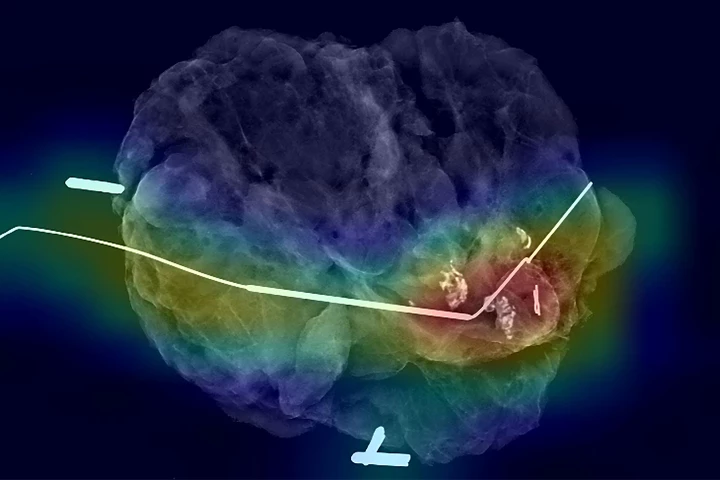 Researchers have developed an AI model that can predict in real-time whether a surgeon has removed all cancerous tissue during breast cancer surgery. The model performed as well as, or better than, human doctors.
 -
 A new study found that a single radiologist screening mammograms picked up more incidents of breast cancer when supported by AI. The researchers say an AI-supported approach would be a safe alternative to having two radiologists read the scans.
 -
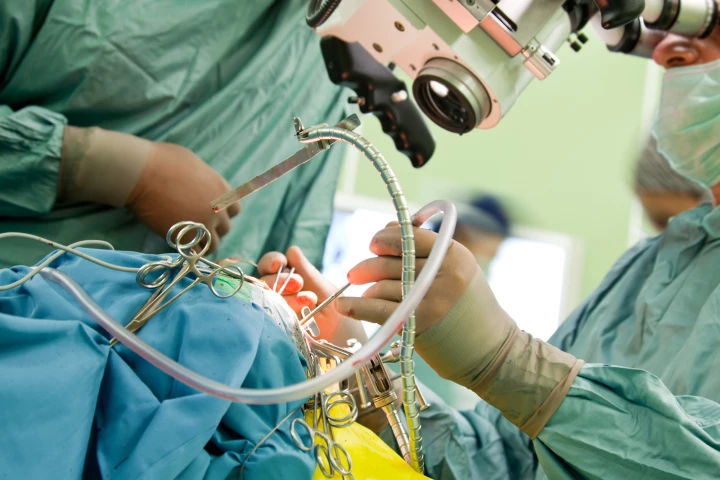 Researchers at Harvard Medical School have developed a new AI-powered tool to help brain surgeons combat cancer. CHARM rapidly evaluates tumorous tissue during surgery to help professionals make on-the-spot decisions about how to proceed.
 -
 Australian researchers have developed an AI algorithm called SpermSearch that can accurately identify sperm in severely infertile men in a fraction of the time it takes scientists, providing hope to men who want to father biological children.
 -
 Researchers have used a machine learning model to identify three compounds that could combat aging. They say their approach could be an effective way to identify new drugs, especially for complex diseases.
 -
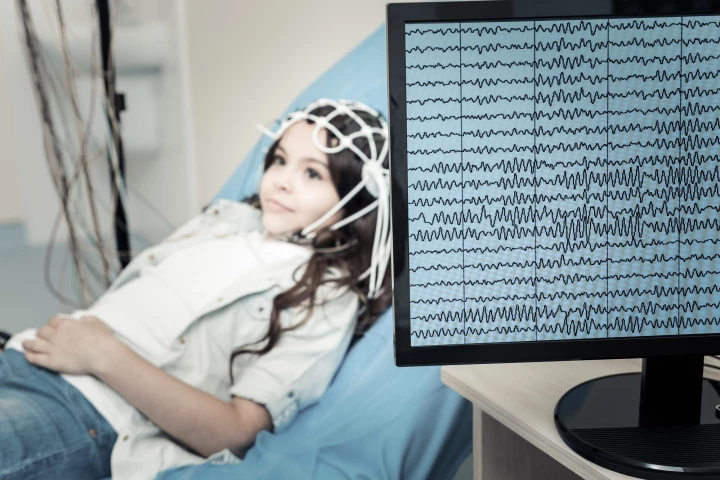 Scientists have a good understanding of how brain circuitry is affected by epilepsy, but not a lot is known about how epilepsy affects behavior. A new study has used AI on mice to catch epilepsy-related behavior that can be missed by the human eye.
 -
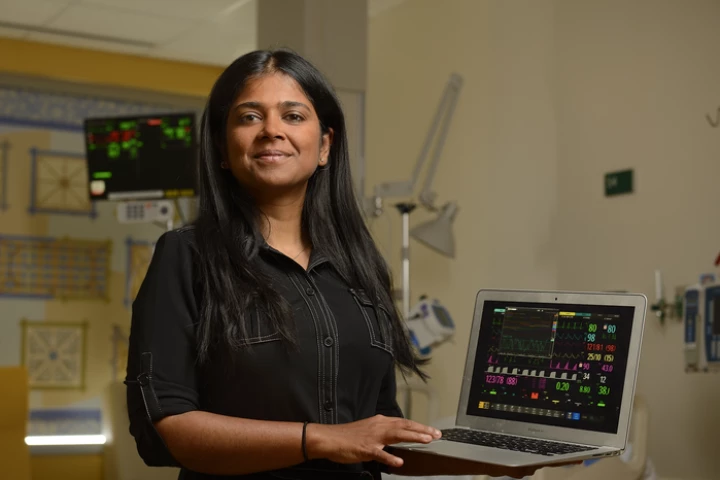 Sepsis is a life-threatening complication causes more than 250,000 deaths in the US each year, but a new AI system developed at Johns Hopkins University promises to make a real difference in this area, by catching key symptoms early on.
 -
 A new AI tool can accurately measure plaque deposits in arteries and predict a patient’s risk of suffering a heart attack within five years. The tool promises to achieve in seconds what has previously taken trained experts up to 30 minutes to deliver.
 -
 Everyone responds to general anesthetics differently, which can make administering the correct dose tricky. A new device is designed to help, by continuously monitoring anesthetic levels in patients' bloodstreams during surgical procedures.
Load More