
Heart Disease
Research, treatments and medical innovations around a range of different heart disease conditions
Top News
-
 While AI certainly has its issues, there’s little doubt that it shines in terms of medical diagnostics. Now, a new study suggests it can even make the humble stethoscope an even more powerful tool than it already is for detecting heart disease.
 -
 In a breakthrough for diagnostics, scientists have created an effective and easy test that identifies a heart failure biomarker in saliva, opening the door to more rapid and accessible life-saving medical interventions for this disease – and others.
 -
 A new CRISPR-based one-off therapy that lowers "bad" cholesterol is set to enter its Phase I trial. If successful, it could be the first approved genetic-editing method, replacing ongoing medication and slashing the risk of cardiovascular disease.
Load More
Latest News
-
 After two decades in the making, scientists have cracked the code on a drug that can repair DNA, setting the scene for a new class of therapeutics that can fix tissue damage that occurs through heart attack, inflammatory disease and other conditions.
 -
 Caffeine appears to do the opposite of what you might think when it comes to the heart. Scientists have found that a cup of coffee a day actually protects the heart from atrial fibrillation – a condition that can lead to stroke and heart failure.
 -
 In a massive international study, researchers identify four precise warning signs of a heart attack, stroke or heart failure, and understanding these measurable risk factors could help people understand their vulnerabilities long before a health event.
 -
 A new study has presented what is called the Adipokine Hypothesis, suggesting one of the most common forms of heart failure may stem from biological changes in internal fat; sending out chemical signals that stir up inflammation.
 -
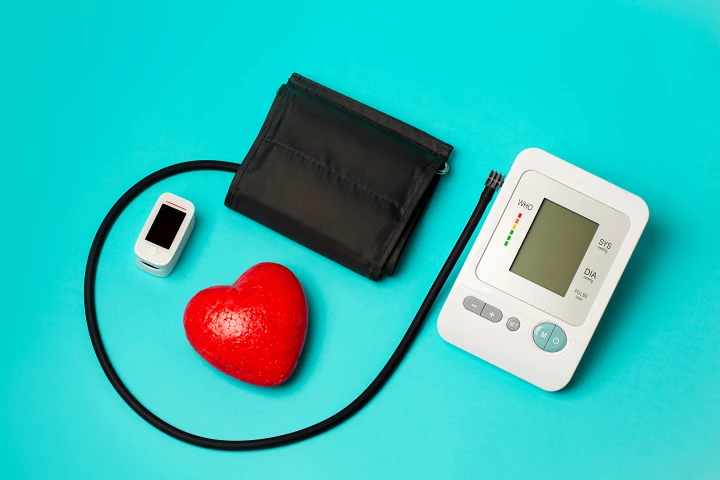 A new drug that significantly lowers "stubborn" blood pressure is on the horizon, following the results of its Phase III clinical trial. The drug, called baxdrostat, is being hailed as the most promising advance in hypertension management in decades.
 -
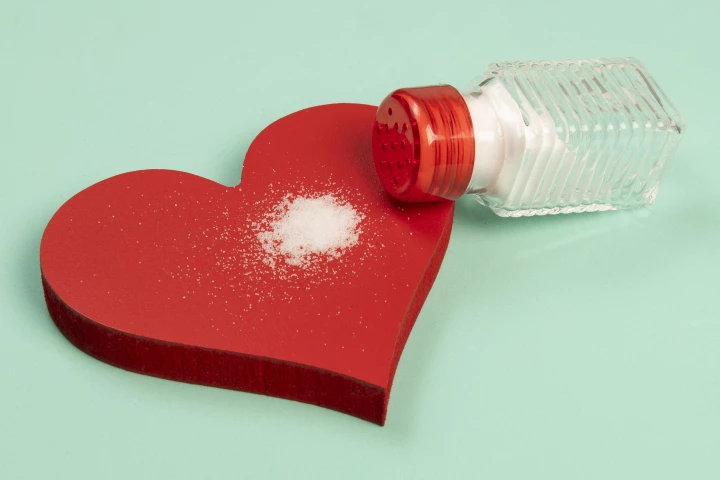 A new study flips the script on hypertension. Long blamed on the kidneys and blood vessels, it now seems the brain might be a silent instigator, especially in cases where standard treatments fail.
 -
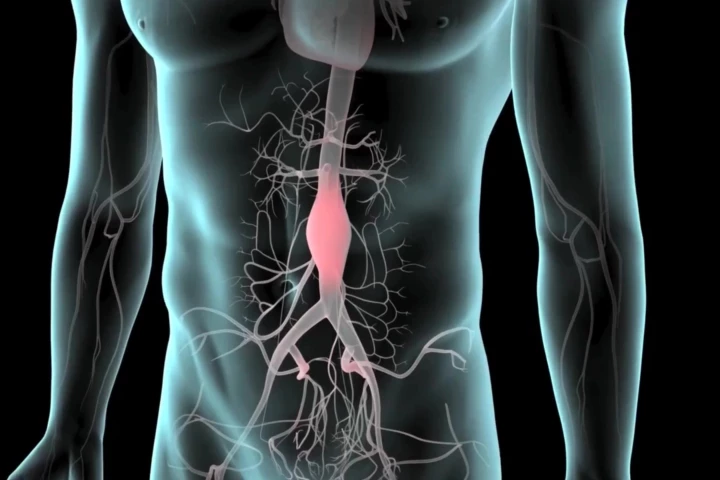 Scientists have implicated a gut byproduct from meat and other animal foods in the growth of deadly abdominal aortic aneurysms. Often symptomless, as it develops, a ruptured aneurysm has a mortality rate above 80%. And currently, treatment is limited.
 -
 When someone collapses from a heart attack, chances of survival fall 10% with every passing minute without defibrillation. Now, scientists have come up with a novel way to reach cardiac arrests faster – using food-delivery riders as first responders.
 -
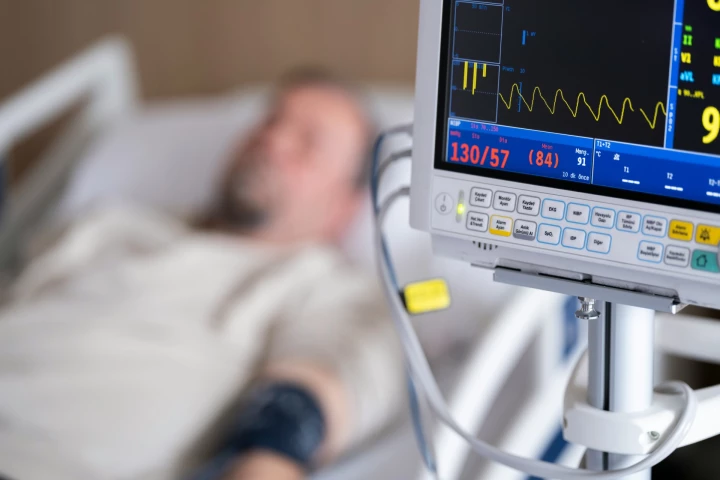 The shingles vaccine is up to 97% effective in preventing the condition caused by the herpes zoster virus, which inflames nerves and causes painful rashes. Now, a new metastudy says it may also be a big help in boosting cardiovascular health.
 -
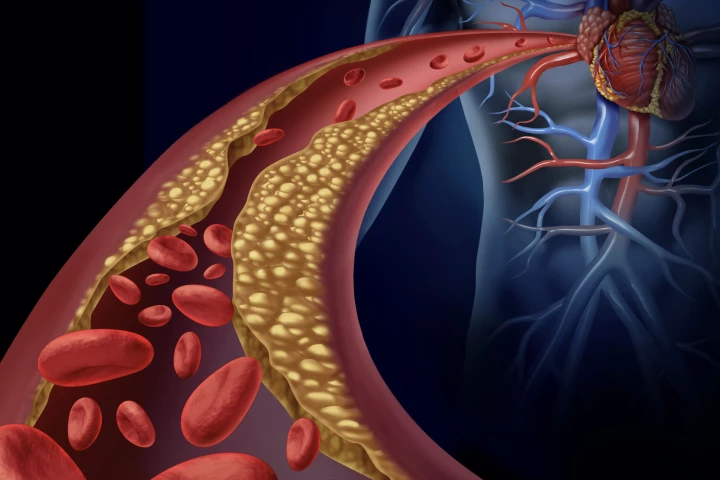 A new generation of nanoparticles can detect, shrink and clear plaques in the arteries, lowering inflammation and drawing out harmful cholesterol to be cycled via the liver. They offer a new way of diagnosing and fighting heart disease without drugs.
 -
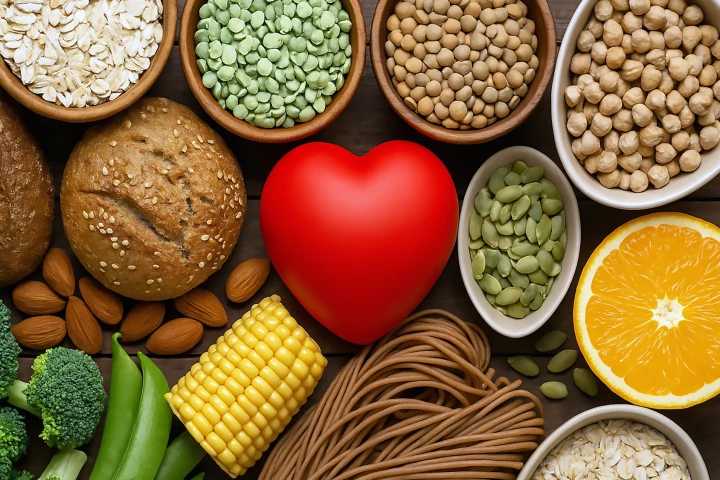 A new study has found that, for most of us, the fiber we eat can protect our heart health, lowering the risk of high blood pressure, heart disease or stroke by up to 20%. It’s more evidence showing that a healthy gut leads to a healthy heart.
 -
 A new study has found that smoking marijuana and ingesting THC edibles over the long term can reduce blood vessel function at levels similar to those seen in cigarette smokers, posing a risk to heart health.
 -
 Some people can’t get their bad cholesterol levels down, even if they take cholesterol-lowering meds. A clinical trial using a combination of existing and not-yet-released cholesterol tablets lowered bad cholesterol by almost half.
 -
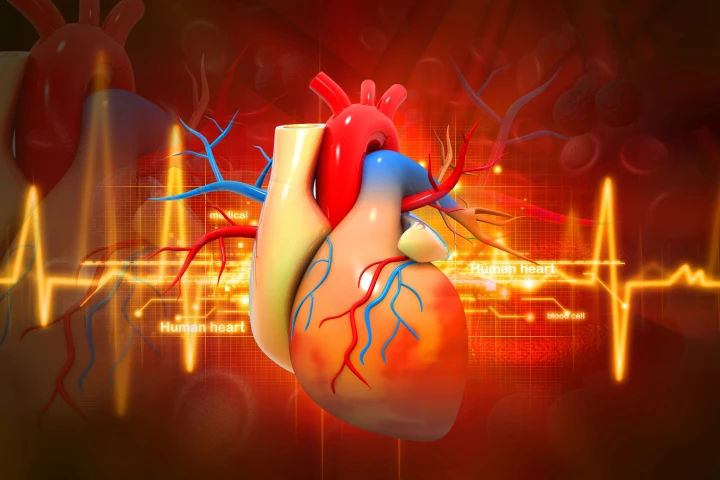 For the first time, surgeons have successfully performed a heart transplant in which the donor organ never skips a beat, limiting muscle damage and improving acceptance and recovery. It ushers in a new era of our approach to this lifesaving operation.
 -
 Type 1 diabetics have a lower risk of stroke and heart attack than type 2 diabetics, a new study has found. It highlights the fundamental difference between the two conditions and provides insights that could guide future treatment.
Load More