
Environment
Environmental science may be the most important area of study in the 21st century. Refractor is dedicated in its focus on keeping you up to date with honest and accurate coverage of the latest in this field.
Top News
-
 Among the many problems posed by the rapid proliferation of data centers is the strain on local water supplies. Google says it's building a better data center that won't require water to keep its servers and computing equipment cool.
 -
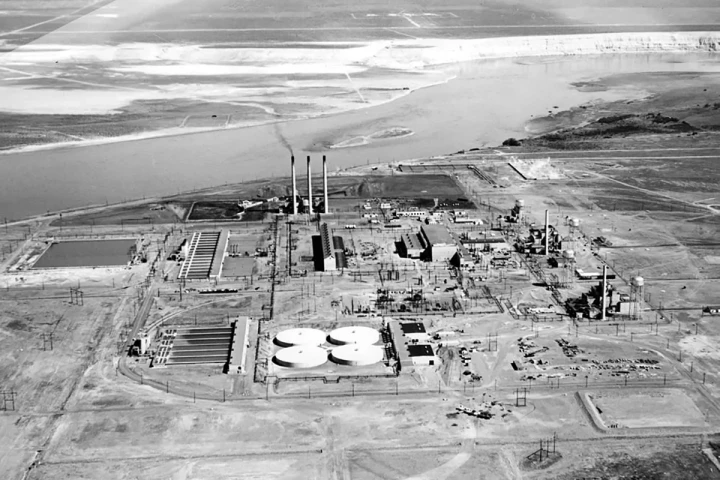 A nuclear production facility in Washington state, called the Hanford site, once forged the plutonium that reshaped the world. Now it’s forging glass; a quiet act of undoing at one of Earth’s most contaminated sites.
 -
 High on sheer cliffs in China, ancient coffins are wedged into rock faces hundreds of feet above the ground. These dramatic burials, now re-examined using ancient DNA, point to a broader practice where disparate cultures all had their own "sky graves."
Load More
Latest News
-
 Oil spills in oceans can spell disaster for ecosystems, but options for mitigating them are limited and can come with their own environmental challenges. A new "fire tornado" from Texas A&M University might soon be able to come to the rescue.
 -
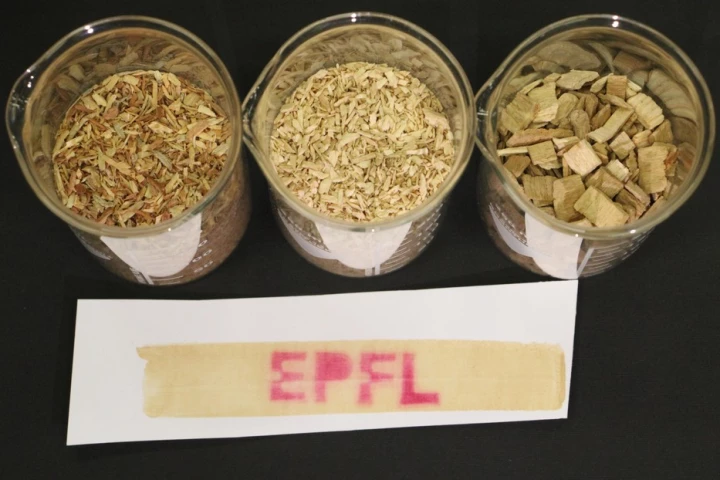 Nowadays, wood is rapidly becoming a valuable material in the renewable tech industry, replacing many harmful materials. Recent research shows that wood-derived compounds can serve as an alternative to the toxic chemicals used in paper receipts.
 -
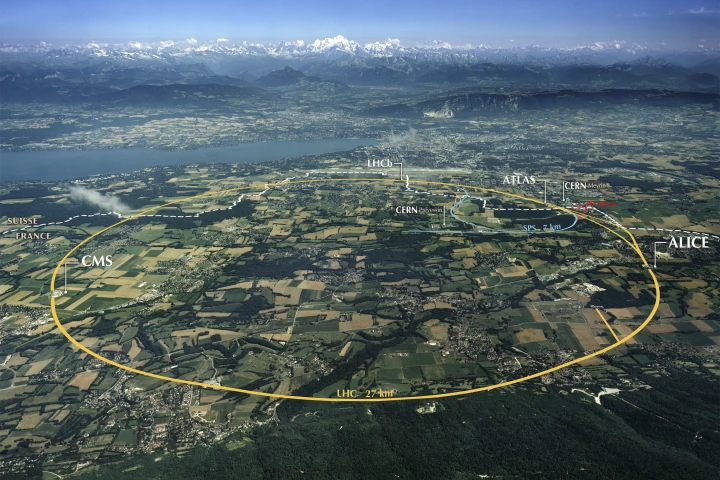 Okay, CERN's Large Hadron Collider (LHC) might have uncovered the Higgs boson and helped redefine our concept of physical reality, but what has it done for us lately? How about a side hustle heating several thousand homes in the neighborhood?
 -
 Omega-3 fatty acids sourced from wild-caught fish stocks are valued for their studied health benefits, but this has resulted in a reduction in fish stocks. A Scottish firm is working on a solution, in the form of omega-3s made from whisky waste.
 -
 The first ever study to document a direct relationship between earthquake activity at the bottom of the ocean and phytoplankton growth at the surface changes the way scientists in the future will model ecosystems.
 -
 It's a sad fact that antibiotics are constantly entering the environment through the wastewater stream. There could soon be a cheap new way of removing those antibiotics from the water, however, using plentiful pine bark.
 -
 Two billion years before we made history and split the atom, the Earth had already accomplished it and was running its own nuclear reactors. And they operated for hundreds of thousands of years, as the first signs of multicellular life emerged.
 -
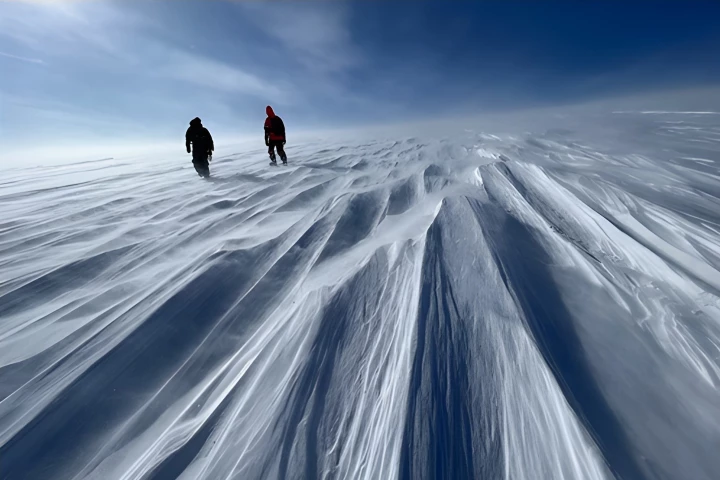 In northwestern Greenland, researchers working on the GreenDrill project have cored through a 500-meter-thick ice dome. They found something startling: the dome completely disappeared 7,000 years ago. And it might do it again.
 -
 In 1995, divers first noticed a group of bizarre sandy "crop circles" on the seabed near southwest Japan. But it took decades for scientists to identify the marine artists behind them – and why they were building such geometrically precise structures.
 -
 Extremophilic Tidestromia oblongifolia alters its own photosynthesis to thrive in heat that would kill most plants. By reorganizing its cells and reshaping its chloroplasts to keep producing energy, is it the future of GMO crops in climate chaos?
 -
 Human-woven "beaver dams" do more than store water. They help waterways recover from climate alteration, lower water temperatures, enhance flood plain connections prevent wildfire spread, and generate increased biodiversity.
 -
 If you're chionoandrophobic, we recommend looking away now. Standing 62 ft tall, 46 ft long and 36 ft wide, 2025's largest snowman has been erected in China. The smiling icy monster required 124,000 cubic feet of snow, and has become an instant hit.
 -
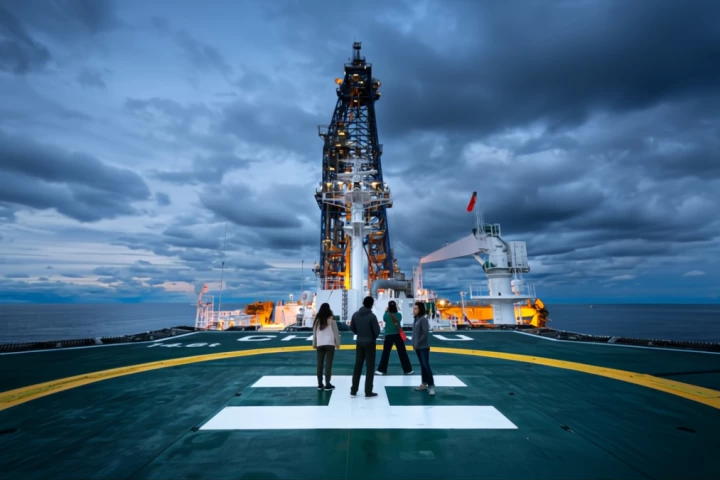 Since 2011, scientists have been puzzled about the force resulting from a gigantic earthquake and tsunami that destroyed, among other things, Japan's Fukushima Nuclear Plant. Now, a Guinness World Record drilling expedition has solved the puzzle.
 -
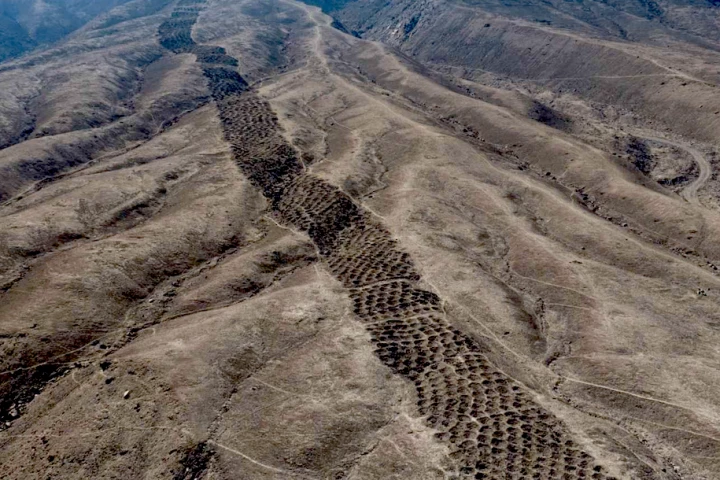 For nearly a century, a strange band of 5,200 holes carved into a hillside has defied explanation. Stretching for nearly a mile along the edge of the Pisco Valley, Monte Serpe – "serpent mountain" – may have finally revealed its secrets to scientists.
 -
 The tons of discarded mussel shells generated by the seafood industry may be organic, but they're still very slow to biodegrade in landfills. They may soon find new life, however, sandblasting jeans in the textile industry.
Load More