
Obesity
The latest scientific research and clinical treatment advances around obesity and weight loss.
Top News
-
 New research shows that people with obesity host a distinct oral microbiome. The study turns our attention to the mouth as a signal of metabolic health in a shift that challenges long-held assumptions about where obesity-related biomarkers can be measured.
 -
 Scientists have found out exactly how an exercise-triggered molecule suppresses hunger signals in the brain, leading to weight loss. It could be harnessed as a therapeutic, providing the same benefit without the work it takes to produce it naturally.
 -
 The next transformative phase of weight-loss medication is upon us, with the US Food and Drug Administration (FDA) approving Novo Nordisk's highly anticipated oral GLP-1 drug – with a starting dose available in early January for US$149.
Load More
Latest News
-
 After a century of false starts, scientists believe they have found a way to make cells burn more energy without the dangerous side effects – and it could be a breakthrough that reshapes weight-loss and anti-aging medicine as we know it.
 -
 The sustainability of weight-loss drugs is under scrutiny as new research shows that people who stop taking GLP-1s regain the pounds and return to their original size after 1.7 years. It questions whether we're relying on this "magic cure" too heavily.
 -
 The World Health Organization has finally made its recommendations on using GLP-1 therapeutics for weight loss, though it remains to be seen whether it changes their status for prescribing or price. And scientists still have some concerns.
 -
 Scientists have made a major breakthrough in understanding how fat cells grow in size, in response to accommodating larger droplets of fat. The findings unlock a new path in tackling obesity, by reducing the amount of fat our cells can store away.
 -
 A new class of weight-loss drug has shown it can significantly boost weight loss when paired with GLP-1 therapy – without adding side effects – in a mid-stage clinical trial, pointing to a powerful new combination approach to tackling obesity.
 -
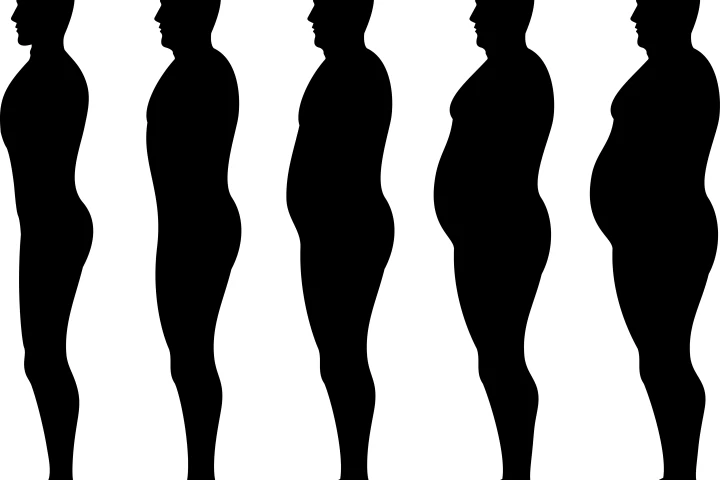 In a world where slimness is often equated with health, a new Danish study has flipped the narrative: being slightly overweight, or even mildly obese, may not be as deadly as once thought. In fact, in some ways it could be safer than being thin.
 -
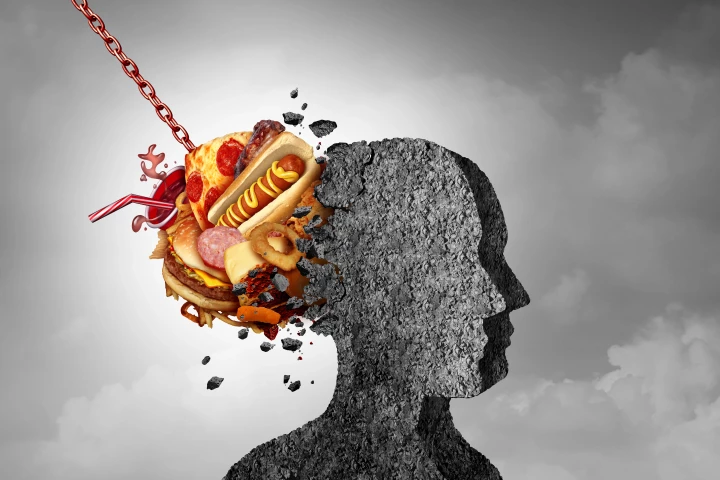 We've known for some time that obesity affects the brain, but now scientists have found that it's where you carry it that matters most. Deep visceral fat around organs has the biggest impact on brain aging, affecting a suite of cognitive functions.
 -
 Switching off a single enzyme in immune cells protected mice from obesity, type 2 diabetes, and fatty liver disease in a new study, offering a potential new treatment target for metabolic disorders.
 -
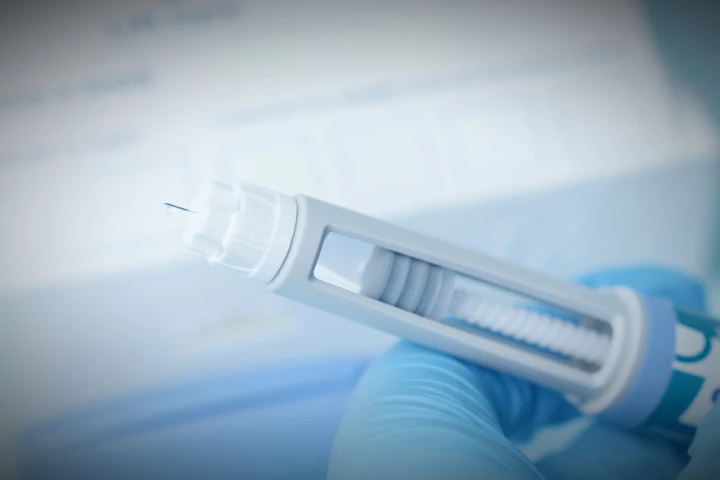 While Ozempic and other drugs like it have proven effective in helping people lose weight, many gain it back when the injections stop. A new drug targets weight loss differently, leading to a more permanent fat-shedding solution.
 -
 When scientists study obesity, it's often focused on genetics, physical activity and poor eating habits. However, new findings show that stress, hardship, isolation and social inequality create the biological environment that underpins the epidemic.
 -
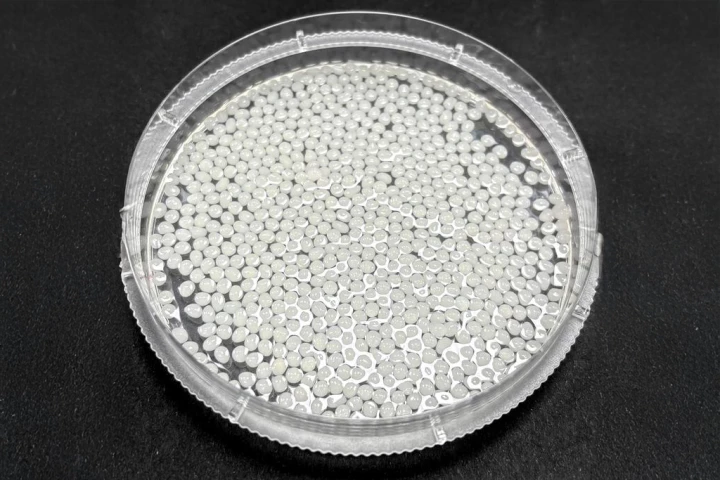 Plant-based microbeads made from everyday ingredients like green tea and seaweed have helped mice shed weight by trapping fats in the gut. Researchers see these microbeads as a potential “structured, drug-free therapy” to treat obesity.
 -
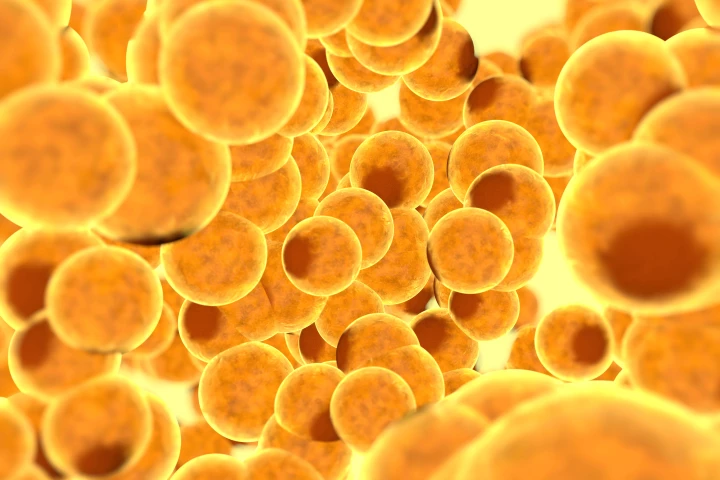 Scientists have identified a protein that acts as a kind of traffic cop for fat inside cells, revealing a mechanism that could help explain how the body regulates energy storage. The discovery provides a new avenue for tackling obesity and diabetes
 -
 Researchers have successfully tweaked a specialized compound from brown seaweed to unlock its powerful anti-obesity potential. Instead of appetite suppression and fat burning, this molecule reshapes the gut microbiome to fight weight gain naturally.
 -
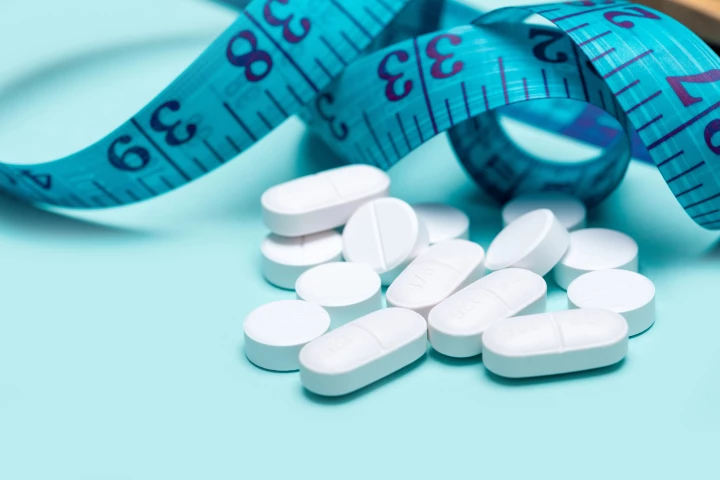 It looks like we'll see oral GLP-1 drugs on the market by 2026, with Eli Lilly reporting impressive results from a large, robust 72-week trial that saw obese patients lose an average of 27.3 lb, or 12.4% of their body weight, with a once-daily pill.
 -
 The US Food and Drug Administration has instructed all GLP-1 drug-makers to update warning labels to include the risk of serious kidney injury that can result from dehydration. This comes after cases of acute kidney injury have required hemodialysis.
Load More