
Alzheimer's & Dementia
The latest scientific research and clinical treatment advances around Alzheimer's disease and dementia.
Top News
-
 Time availability can impact the development of dementia perhaps as much as diet and exercise, according to a panel of scientists. The group says its research should cause a paradigm shift in the diagnosis and treatment of the condition.
 -
 Scientists have uncovered an intriguing link between infection and brain health, finding that a common bacterium may advance cognitive decline. It's the latest evidence suggesting that bacteria and infections play a key role in destroying our brains.
 -
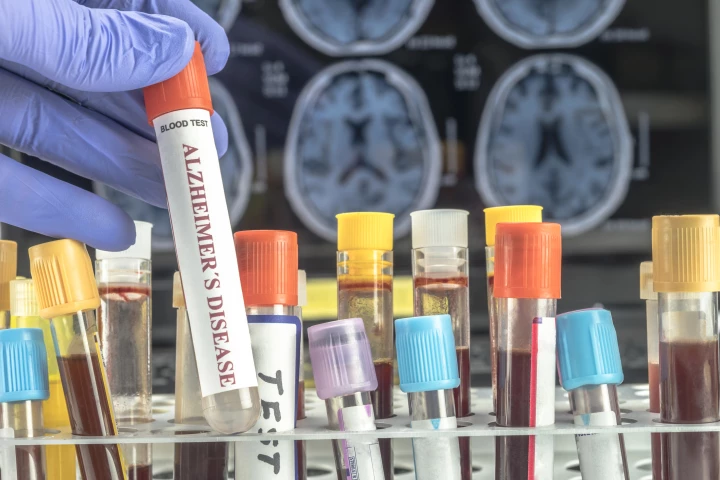 The first blood test for Alzheimer's disease detection has been green-lit by the US Food and Drug Administration, providing a simpler, quicker and less invasive method of diagnosis and speedier intervention. It's a milestone moment for medical science.
Load More
Latest News
-
 For some time, we've known that it's rare to see people with both cancer and Alzheimer's diseases. Now, scientists believe they may have found why, discovering a molecule in cancer cells that clears problem proteins from the brain.
 -
 Using the largest sample of super-agers to date, scientists have found convincing evidence that supports what many of us have suspected: Longevity isn’t just about healthy lifestyle choices, but also a good draw in the genetic lottery.
 -
 A new study from Northwestern University offers hope to Alzheimer's patients and their caregivers. If researchers there are correct, their new small-molecule NU-9 drug may be able to stop the disease long before it begins ruining lives.
 -
 Scientists have failed to show that weight-loss wonder drug semaglutide can also slow the progress of Alzheimer's disease (AD), as two two-year clinical trials end in disappointment for patients, medical scientists and drugmaker Novo Nordisk.
 -
 Boosting levels of a certain molecule that declines with age restored the function of hundreds of brain genes and reversed memory loss in Alzheimer’s disease models, fixing the RNA splicing errors that drive damage to critical neurons.
 -
 New research has found that the loss of social memory – recognizing friends and family – in Alzheimer's disease (AD) could come down to specific structures around brain cells. And targeting this delicate scaffolding may potentially prevent this heartbreaking stage in cognitive decline.
 -
 A new study has revealed that Alzheimer's disease breaks apart nerves and blood vessels in fat tissue throughout the body. The finding could help explain the disease's ravages beyond mental impairment and offers hope for better patient care.
 -
 Listening to or playing music later in life could do more than lift your spirits – it might also help keep your mind sharp. A large study has found that older adults who regularly engage with music have significantly lower rates of cognitive decline.
 -
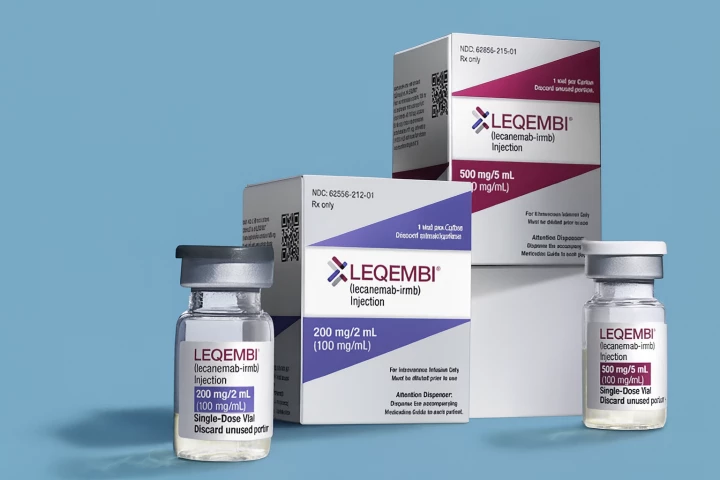 The FDA has approved a new version of an Alzheimer’s disease drug that can be given as a quick at-home weekly injection, offering patients a more convenient option than lengthy infusion-center visits. It will be widely available from October 6, 2025.
 -
 In a recent study researchers at UC San Francisco sought to identify the molecular troublemakers that cause our brains to age prematurely. Their goal? Find the sneaky agents behind age-related memory decline, and figure out how to stop them.
 -
 A loss of smell can be one of the earliest warning signs of Alzheimer’s disease, but the cause of this sensory change have been unclear. Now, a study reveals that the problem may not lie in the nose or olfactory bulb itself, as previously thought.
 -
 Just a few days after scientists announced we're at a pivotal tipping point in Alzheimer's disease research, a team has made a huge breakthrough, proving that mitochondrial dysfunction fuels memory loss. Then they engineered a way to restore it.
 -
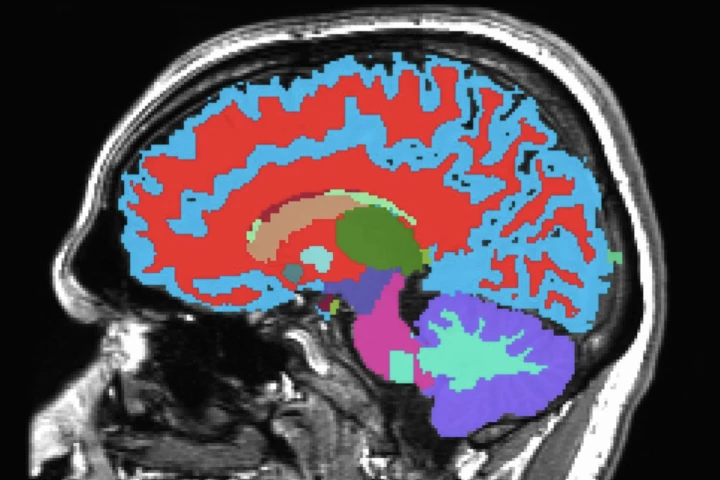 If you could get a quick, easy scan in your 40s, which could add decades to your life and aging healthily, would you? Scientists have made such a tool, letting you glimpse into a crystal ball that identifies age-related disease risk long before onset.
 -
 A safe and affordable treatment to effectively combat the progress of Parkinson's dementia has emerged – in the form of a commonly available cough syrup that's already being studied for its brain-protecting power in other degenerative diseases.
 -
 Remarkable new findings about the sugar stores in neurons have unlocked an entire new method of treating cognitive decline, and it furthers our understanding of why GLP-1 weight loss drugs appear to provide a shield against Alzheimer's disease.
Load More