



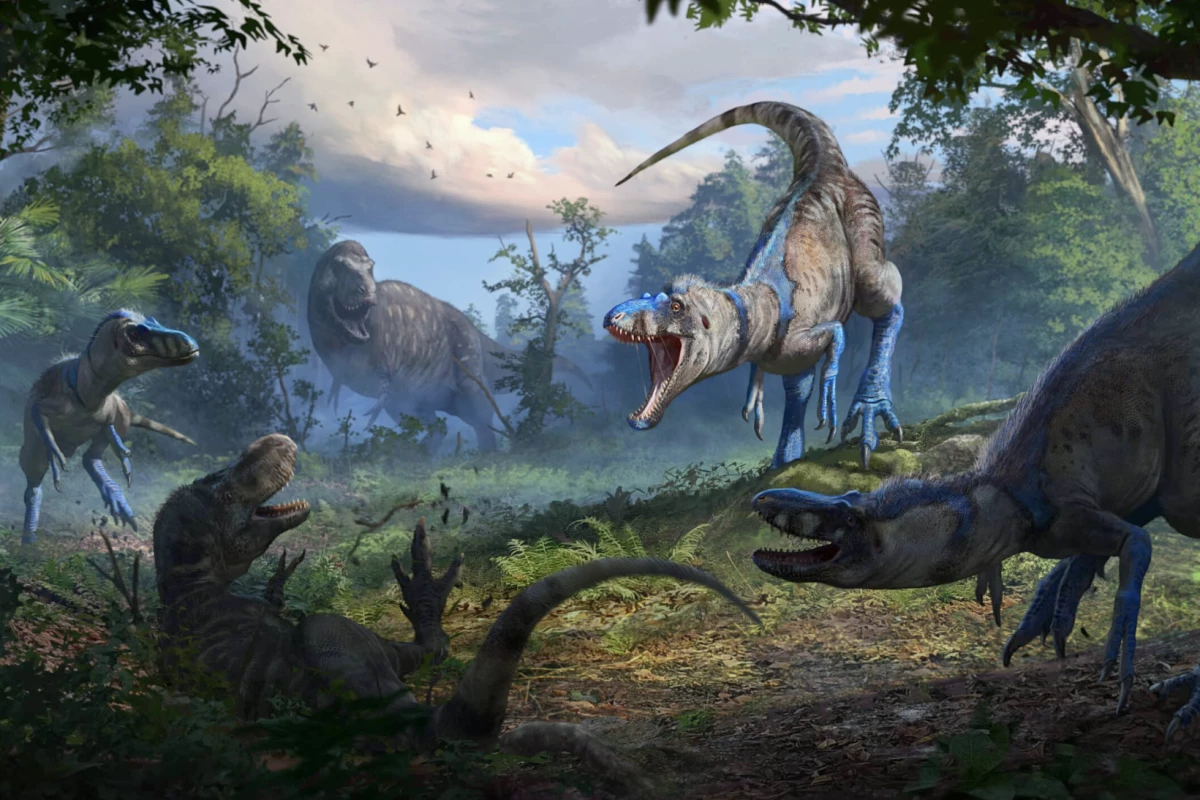
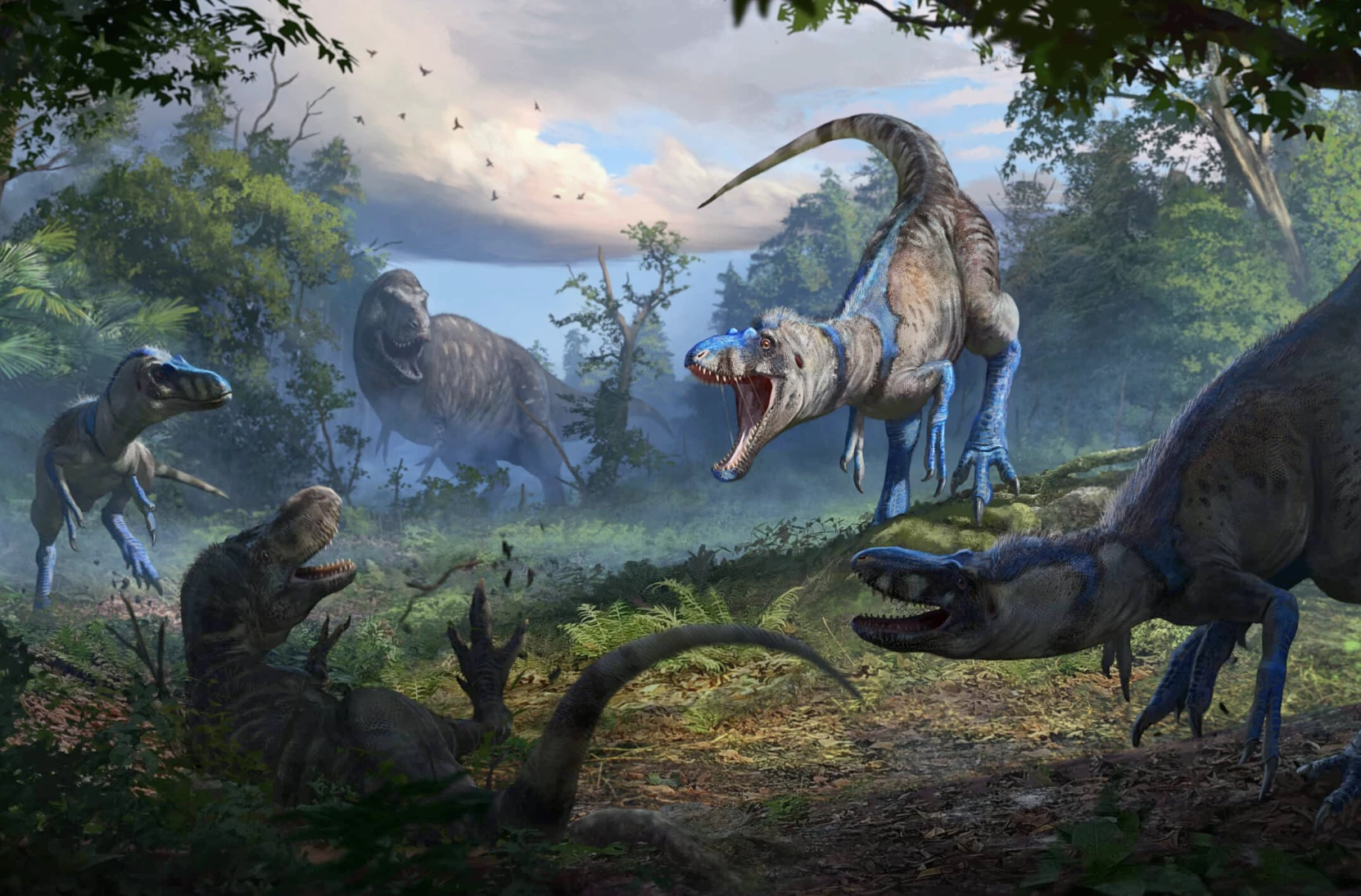

Dinosaurs may be long extinct, but 2025 made it abundantly clear that they’re anything but settled science. Over the past year, new fossils, reanalyses of famous specimens and the use of increasingly sophisticated tools have continued to upend what we thought we knew about how these animals lived, moved, fed and evolved.
Some discoveries filled in long-missing gaps in the fossil record, while others forced researchers to confront the uncomfortable reality that a few long-held assumptions were simply wrong.
From reinterpretations of iconic predators to ancient trackways that capture fleeting moments of Jurassic life, this year’s research showed how much information is still locked inside bones, teeth and footprints that have been studied for decades. From rewriting evolutionary timelines to challenging how fast dinosaurs really were, the year reminded us that paleontology is not about dusting off the past, but opening new windows for us to peer into it.
-
 If you, like us, were under the impression that two-legged dinosaurs were pacy beasts that could zip across the ground at around 40 mph, researchers have some bad news. A new study suggests they were much, much slower than previously thought.
 -
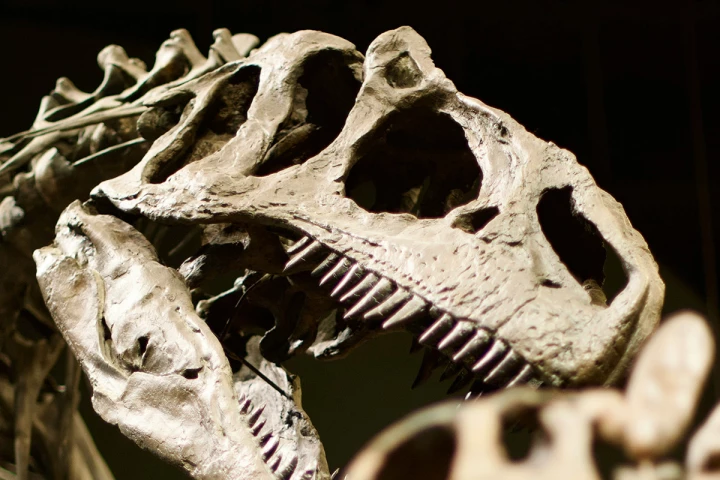 Researchers in Germany found fossilized dinosaur teeth can reveal what the air was like in prehistoric times. Humans might have found it hard to breathe if we were around back then, because CO2 levels were four times as high as the preindustrial era.
 -
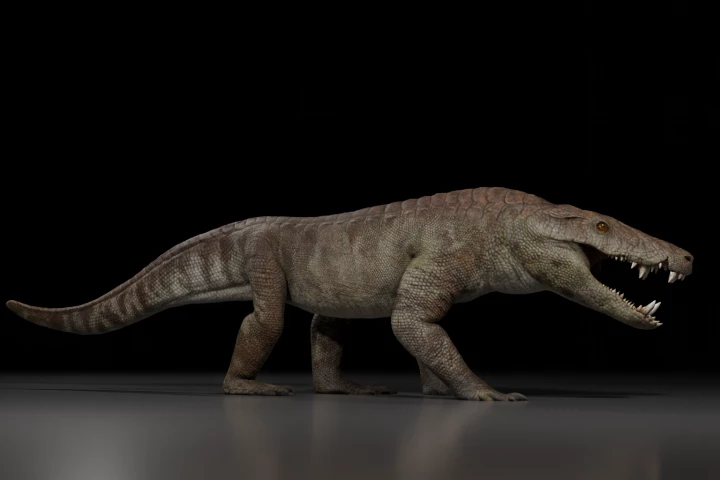 Unearthed in southern Patagonia, a remarkably intact skeleton has been found to be a new species of crocodyliform: A fearsome hypercarnivore that roamed the Earth 70 million years ago, using its blade-like teeth to tear up pray – including dinosaurs.
 -
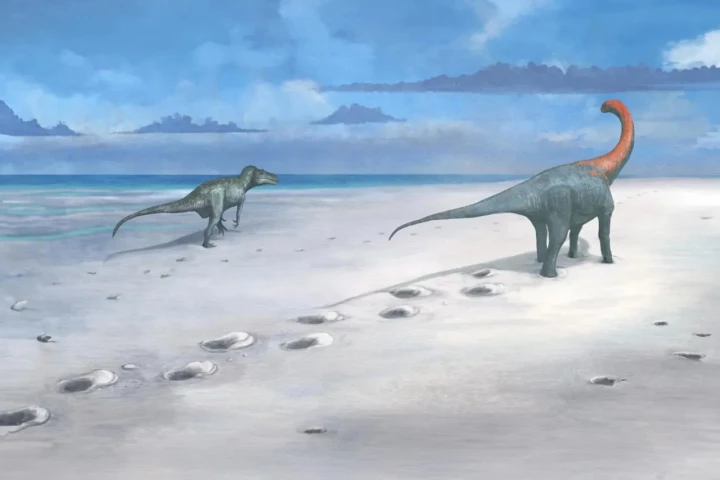 A quarry in South East England has yielded a fascinating paleontological discovery: long tracks with a total of 200 footprints left by enormous dinosaurs that roamed the earth during the Middle Jurassic Period, some 166 million years ago.
 -
 For the first time, scientists have pieced together the diverse diet of a sauropod species, using advanced technology to assess the fossilized stomach contents that make up the dinosaur's last meal, which took place around 95 million years ago.
 -
 The extent of an incredible dinosaur highway has been revealed in Bolivia. More than 16,000 footprints, along with tail impressions, have been fully documented – and the scale of theropod activity alone is unlike anything that's been seen before.
 -
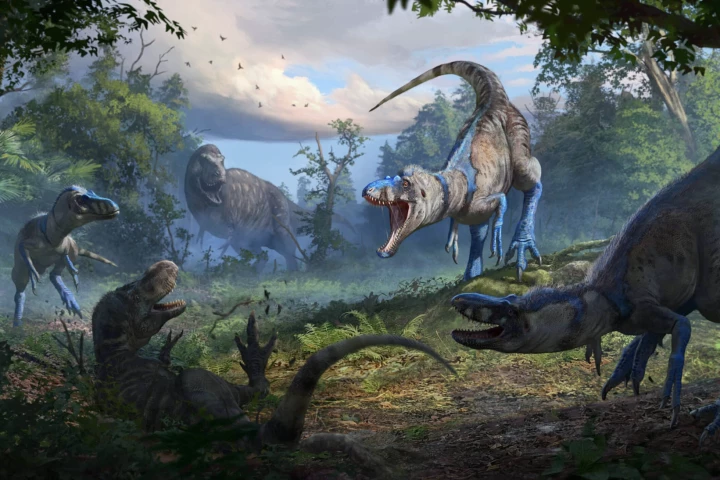 More than 60 million years on from its final day on Earth, there's a dinosaur we owe an apology. Paleontologists confirm that the Tyrannosaurus rex locked in combat with a Triceratops in the famous Dueling Dinosaurs specimen is not a T. rex after all.
 -
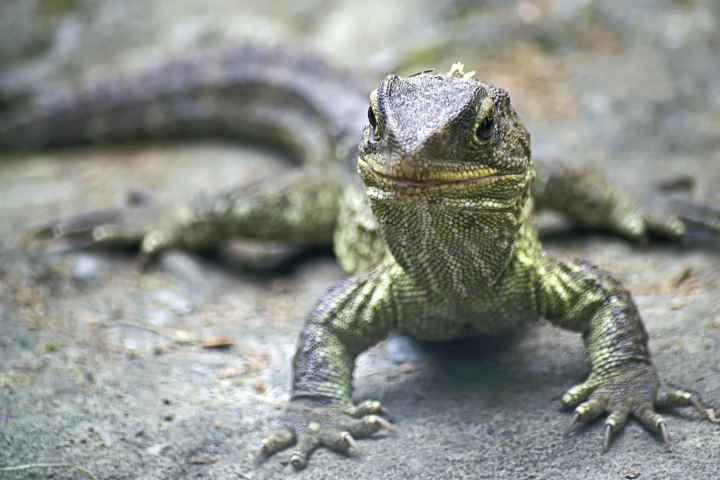 A skull found on a UK beach has rewritten the history of lizards, snakes and the tuatara, the last survivor of an ancient lineage found only in New Zealand today. The new species dates back 242 million years, making it the earliest known lepidosaur.
