
Biology
From the smallest microbe to the largest dinosaurs and from the tiniest spore to the biggest giant sequoia, biological research continues to shed new light on the weird and wonderful world of living organisms.
Top News
-
 In the late 1990s researchers identified the key gene responsible for producing the bitter compounds in grapefruit. Now, using the genome editing technology CRISPR/Cas9, the team has inactivated the gene in grapefruit to eliminate that bitter taste.
 -
 For two decades giant viruses have unsettled one of biology’s most fundamental boundaries forcing scientists to rethink how cellular complexity emerged. A newly discovered giant virus sharpens that debate, offering clues about how a key feature of most complex life may have evolved.
 -
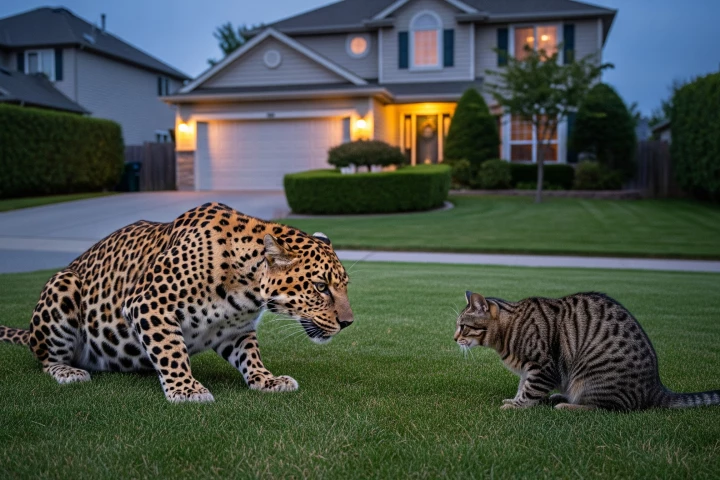 In recent months, AI-generated wildlife clips have flooded social media, merging real animal behavior with playful fabrications but scientists warn that these digital deepfakes can distort people’s sense of what the natural world looks like.
Load More
Latest News
-
 The earliest ancestors of all backboned animals, including humans, may have viewed the world with four eyes, not just two, according to a new study. The remnants of those extra eyes persist deep in the human brain today as the pineal organ.
 -
 For the first time, researchers have tracked how deer use photoluminescent markers as signposts on trees to communicate with one another. Their unique visual acuity allows them to see in ultraviolet wavelengths invisible to human eyes.
 -
 Researchers have discovered a certain kind of sugar that is only found on the surface of bacteria. Targeting it could lead to an entirely new class of immunotherapeutic drugs designed to target and eliminate at least one deadly, drug-resistant bug.
 -
 New research has found when plant leaves physically touch each other, they seem to form a biological signalling network to warn each other about upcoming stress. This boosts resilience to intense light, a common environmental challenge.
 -
 For the first time, we know more than we ever expected to know about the sex lives of the majestic beluga whale. It's complicated, to say the least, but it also shows just how strategic nature is at keeping an isolated group of animals alive.
 -
 A new study reveals jellyfish not only sleep but do so for the same portion of their day as humans, spending about one-third of the day sleeping. The findings also suggest that sleep evolved way before the brain to help maintain cells under stress.
 -
 For more than a century, biologists assumed that the bony plates found in the skin of lizards – nature's chain mail – were an ancient feature that some lineages inherited and others later lost. But new evidence suggests this is entirely wrong.
 -
 When COVID-19 lockdowns emptied city streets, urban environments changed almost overnight. New research suggests that Los Angeles city birds responded just as quickly, with measurable shifts in beak shape in offspring born during the lockdown period.
 -
 It's that time of year – and my personal favorite corner of science to look back on – when we recap the many fascinating discoveries in the plant and animal kingdom in 2025. Orcas have again made news, but no luxury yachts were hurt in the process.
 -
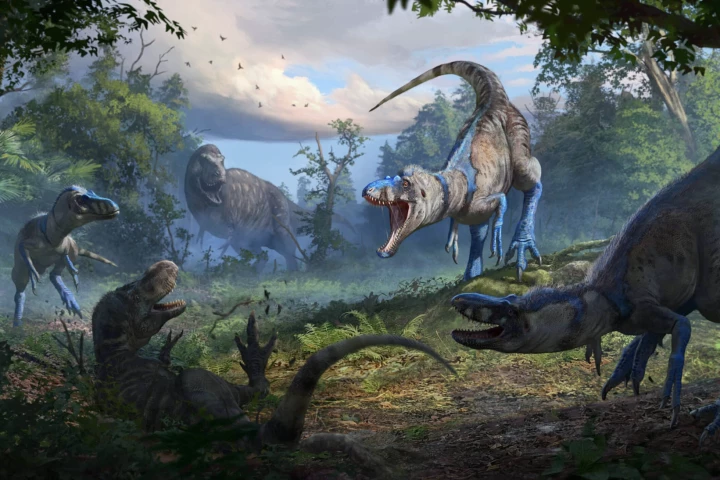 Dinosaurs may be long extinct, but 2025 made it clear that they’re anything but settled science. New fossils, reanalyses of famous specimens and increasingly sophisticated tools have helped us learn more about how they lived, moved, fed and evolved.
 -
 Step aside, Van Gogh. New research shows that several orb-weaving species create giant web-mounted “doppelgängers” convincing enough to confuse potential predators. It’s a clever form of deception that nudges the line between instinct and ingenuity.
 -
 For the first time ever, a unique cooperative hunting arrangement between dolphins and orcas has been documented. Researchers believe killer whales find salmon by tailing dolphins, who in turn benefit from bite-sized fish pieces.
 -
 Deep in the growth rings of Pyrenean trees lies the strongest evidence yet for what set the Black Death in motion – a direct link between a sudden climate shift and the plague’s arrival in Europe, where it killed millions between 1347 and 1353.
 -
 Most pet dogs carry a little wolf inside them; tiny snippets of wolf DNA that slipped into dog genomes after domestication. Now a new study has found almost two-thirds of dog breeds have a small amount of wolf genes, including some breeds you wouldn't expect.
 -
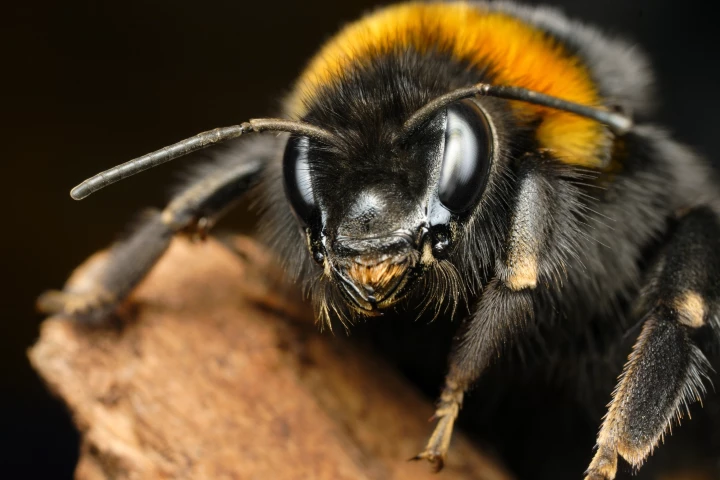 In a groundbreaking new study, scientists took a closer look at how bumble bees respond to positive experiences inside the nest. They found positive attitudes are quite literally contagious, spreading between bees within seconds.
Load More