
Allergies
The latest scientific research and clinical treatment advances around allergies.
Top News
-
 New research found that drinking camel milk can reduce the severity of asthma caused by house dust mites, a major trigger. While the research is still in the early stages, it opens the door to using camel milk in combination with existing therapies.
 -
 Scientists have developed a nasal 'molecular shield' that disarms pollen, blocking allergic reactions fast without the use of drugs. This non-invasive method to effectively silence hay fever could be a game changer for around 81 million Americans.
 -
 Anaphylaxis is not something to be taken lightly, as it's an allergic reaction that can be fatal if not halted. That's where a new skin patch comes in, as it could warn of the onset of anaphylaxis while there's still time to head it off.
Load More
Latest News
-
 Cockroach infestations can worsen allergies and asthma in children, especially in low-income urban homes. Now researchers are better understanding why after discovering bacteria in their guts can release harmful substances called endotoxins into the air.
 -
 Australia, the ‘allergy capital of the world,’ has launched a world-first free nationwide treatment program for children with peanut allergies. The goal is to safely build tolerance so that kids don’t need to worry about the possibility of a life-threatening reaction.
 -
 People who’ve been suffering from allergies for a long time without relief may actually have chronic sinusitis, requiring a different treatment, a study has found. Here's a list of sinusitis signs and symptoms to watch out for.
 -
 A drug used to treat asthma has been shown to substantially reduce the risk of potentially life-threatening reactions in people aged one and older with multiple common food allergies, including peanuts, following accidental exposure.
 -
 Researchers have discovered a never-before-identified type of memory B cell, an immune cell that ‘remembers’ what a person is allergic to, potentially opening the door to new therapeutics to treat allergies, including life-threatening food allergies.
 -
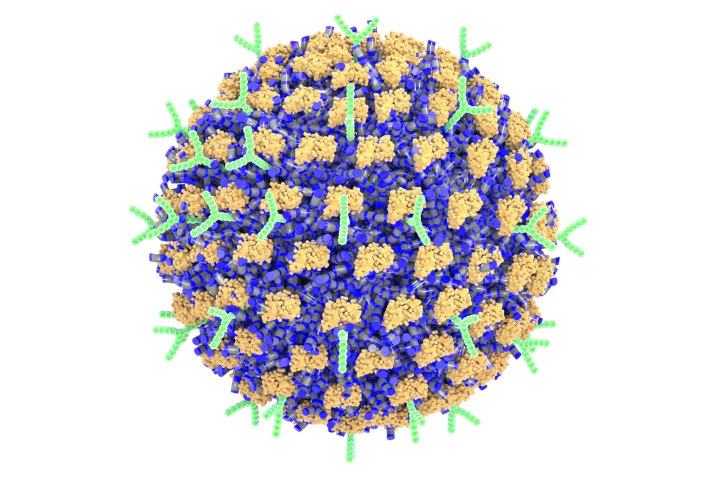 Researchers have created a nanotherapy that selectively targets and shuts down the immune cells responsible for causing an allergic response in mice, preventing anaphylaxis. It could be the first nanomedicine to prevent allergic reactions.
 -
 For the first time, scientists have found that measuring airborne allergen levels, instead of the traditional method of performing a pollen count in real time, can help the 25% of US adults with hay fever better assess risk and manage their symptoms.
 -
 Researchers have found that administering under-the-tongue immunotherapy given to young peanut-allergic children is a safe and effective way of desensitizing them to the food. It may provide another method of curbing this potentially deadly allergy.
 -
 Does early childhood exposure to a broad variety of bacteria make one less likely to develop allergies? A new animal study challenges this popular idea, finding diverse microbial exposure when young may have little effect on allergic immune responses.
 -
 Adding weight to the large body of scientific evidence that has found phenylephrine is as useless as a placebo for nasal congestion, an advisory panel has declared common oral medications ineffective and urged for them to be removed from sale.
 -
 A new study has found that the contents of commercially produced extracts used to test for shellfish allergies differ widely between manufacturers. The researchers say the lack of standardization increases the risk of false negatives.
 -
 Researchers have found a link between infant food allergy and asthma in later childhood. They say their findings can help healthcare professionals to be more vigilant around monitoring the respiratory health of children with early food allergies.
 -
 Egg allergies are one of the most common allergies in children, triggered by everything from meatloaf to flu vaccines. Now, researchers have used genome editing technology to develop a chicken egg that may be safe for allergy sufferers to eat.
 -
 While three million Americans suffer from a nut allergy, there's little in the way of medical intervention. But in a world first, researchers have taken a cue from the pandemic vaccines and used mRNA technology to help the immune system fight back.
 -
 Researchers have discovered new information about how the body’s antibody-mediated immune system works, calling into question long-held scientific understanding and opening the door for potential advancements in immunological treatment.
Load More