
Addiction
The latest scientific research and clinical treatment advances around a range of substance addictions and recovery.
Top News
-
 A large-scale human clinical trials is currently underway testing a wild idea. Can fecal transplants reduce a person's cravings for alcohol by altering their microbiome? Early studies are indicating this could be possible.
 -
 Consuming cannabis can certainly be a way to deal with some health conditions like chronic pain or insomnia. But when a user goes too far and winds up in the hospital, the negative consequences can reach far into the future, says a new study.
Latest News
-
 GLP-1 drugs have reportedly changed people's relationship with more than just food, but it's been largely anecdotal. Now, there's evidence that Ozempic blocks alcohol cravings – which could be a game-changer for people who want to cut back on booze.
 -
 While scientists seem to love giving cocaine to rats, 27 rodents getting high (for the first time) on the lab's supply uncovers intriguing insights into how some individuals appear wired for addiction, where 'averse cues' fail to deter drug use.
 -
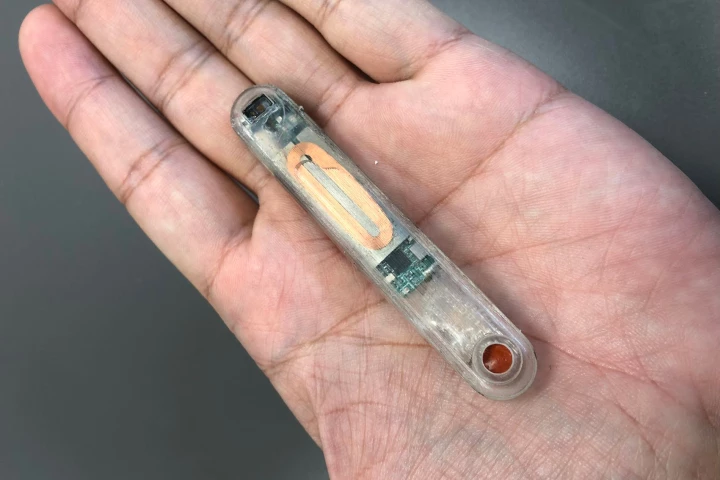 When someone overdoses on opioids, it's critically important that they receive a dose of the opioid-reversing drug naloxone as soon as possible – otherwise, death is a distinct possibility. That's where a new implant comes in, as it automatically dispenses naloxone from within the body.
 -
 New research found that patients taking the weight-loss and diabetes drug semaglutide had significantly reduced symptoms of alcohol use disorder. Larger studies are currently underway to see whether the drug is an effective treatment for addiction.
 -
 A new study has found that specific regions of the brain are activated after a drug is taken intravenously but not when the same drug is taken orally. The findings could lead to new treatments for addiction.
 -
 A new study is offering one of the largest portraits to date of global smartphone use. Surveying thousands of people across nearly 200 countries the study found unexpected use patterns that challenge our current definitions for smartphone addiction.
 -
 A recent study out of Japan has found that when exposed to pictures of stores and their merchandise, people with kleptomania exhibit similar brain activity to that of people with substance addictions exposed to images of drugs.
 -
 If you've ever tried quitting caffeinated coffee, you may have encountered side effects such as headaches, irritability and fatigue. A new study suggests that drinking decaffeinated coffee can reduce those effects … even if you know it's just decaf.
 -
 Even when someone is determined to beat their fentanyl addiction, there's still a good chance they will relapse at some point, and start taking the opioid again. A new vaccine is designed to help get them back on track, by blocking fentanyl's effect on the brain.
 -
 A study has found some compelling associations between gut bacteria and alcohol consumption. Not only is heavy drinking linked to a distinct microbiome profile but the study suggests certain bacteria may be responsible for increased alcohol consumption.
 -
 Scientists at Johns Hopkins have identified a previously unknown mechanism of cocaine’s activity in the brain, which could open new types of treatment for addiction to the drug. Intriguingly, it seems to work differently in male and female mice.
 -
 A new molecule may help reduce side effects in a drug that could treat alcohol use disorder. Essentially, the molecule disarms the drug in most of the body, but can’t cross the blood-brain barrier, letting the drug get to work in the brain only.
 -
A first-of-its-kind clinical trial has found fecal transplants may be helpful reducing drinking behaviors in those suffering severe alcohol use disorder. The study points to a compelling relationship between the gut microbiome and addiction disorders.
-
 New research suggests that blocking a specific neural pathway, associated with drug reward and withdrawal memories, could eliminate the triggers that lead to drug cravings and ultimately prevent relapse into addictive drug-taking behaviors.
 -
 New animal research has found binge drinking can be controlled by blocking a key brain region linked to emotion-related behavior. The mouse experiments suggest blocking certain opioid receptors in the extended amygdala may curb excessive drinking.
Load More