
Colorectal cancer
-
 Alcohol contributes to millions of deaths each year and is linked to cancer, liver disease, accidents, violence and dependence and addiction. Despite this, the disconnect between alcohol’s cultural role and its serious health burden is striking.
-
 A new study from Washington University School of Medicine in St. Louis, drawing on tens of thousands of participants in the UK and the US, suggests that the risk of developing cancer isn't just a matter of birthdays; it's about how fast bodies age biologically.
-
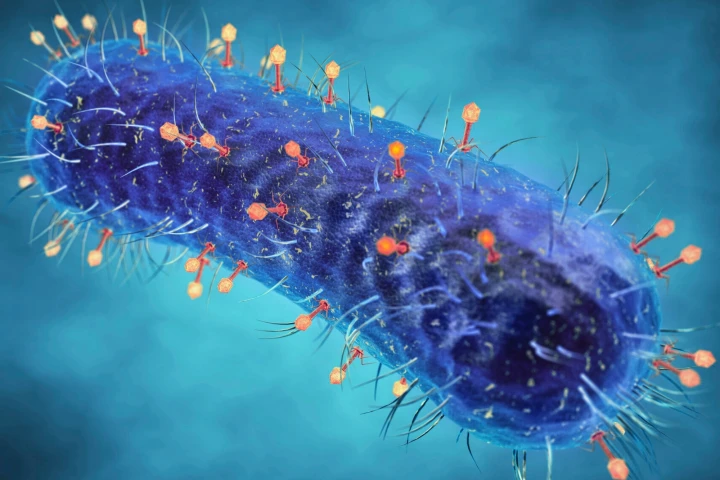 Colorectal cancer has long been linked to a microbial imbalance in the gut. A new study suggests this dynamic is more complicated than initially thought, with not just bacteria behind it but the viruses living inside them.
-
 In a world-first breakthrough, scientists have discovered how a sugary “cloak” helps bowel cancer hide from the immune system, and how stripping it away could turn the body’s anti-cancer defenses back on.
-
 Scientists have engineered Salmonella bacteria to self-destruct inside tumors, releasing signals that spark powerful immune hubs and shrink colon cancer in mice, opening the door to “living medicines” against deadly cancers.
-
 There's new evidence that cruciferous vegetables blunt spikes in blood sugar levels, which could be particularly important for those with type 2 diabetes or are at risk of developing it. And you only need a handful a day to reap the health benefits.
-
 A new clinical trial suggests magnesium supplements may boost gut bacteria that help block the development of colon cancer – but only for some people, depending on their genes and sex.
-
 A study involving more than 1,000 cancer patients has found that a low dose of aspirin halves the risk of colorectal tumors returning after surgery. This readily available and affordable treatment could change the health outcomes of many survivors.
-
 While obesity significantly increases the risk of many cancers, scientists have now uncovered that there are specific dietary fat drivers that impede the body's ability to fight tumors. This landmark reveals that not all fats are created equal.
-
 A landmark study has found that a workable exercise plan significantly improves survival and health of people who have survived colorectal cancer. So much so that, as one researcher notes, "Our findings will change the way we treat colon cancer."
-
 Researchers have discovered how a particular protein affects the growth and spread of colon cancer in humans. The study not only improves our understanding of why this type of cancer can be aggressive in some people, but it also highlights a potential treatment target.
-
 In what they've confirmed as the largest study looking at the effects of diet on rates of colon cancer, researchers in the UK say that calcium-rich foods offer significant protections against the disease. Alcohol and red meat? Not so much.
Load More